Gen Z in the EU:
Wanting It All — Spending Habits With No Trade-Offs

Generation Z (roughly those born from the mid-1990s to early-2010s) are entering their peak consumer years — but what’s different is how they spend. They don’t just want value. They want meaning. They want quality. And increasingly, they’re striving to avoid trade-offs in cost vs experience, ethics, sustainability, aesthetics, etc. Here’s a breakdown of how that plays out in the EU, with real numbers and what this means for brands, and for Gen Z themselves.
What does the Data say?
“Trading down” is common — but strategically
In late 2024, 80-95% of Gen Z and Millennials in countries like France, Germany, Italy, Spain, and the UK reported engaging in trade-down behavior — that means switching to cheaper brands, postponing purchases, using coupons etc.
But they don’t “trade down” across the board. Many lower-cost substitutions are made in everyday or less visible categories so they can still spend on things they care deeply about.
“Splurging” still happens — for what matters
Gen Z in Europe are most likely to splurge on apparel and beauty/personal care when treating themselves.
They are willing to pay more for sustainability: in surveys across UK, France, Germany, Italy & Spain, about one-third said they’d pay up to ~10% extra for a sustainably produced product.
Spending priorities: experience, learning, identity
From transactional data in 2023 in Austria, Germany, France, Italy, Spain: Gen Z spend more of their budget than older generations on learning / personal growth. E.g. Spanish Gen Z spent ~ 32.6% of their expenditure in “learning / self-improvement” vs much lower for older generations.
They also allocate a large share to “shopping” (discretionary, fashion etc.), but are mindful with that money — want quality, brands with values or sustainable credentials.
Sustainability and ethics are non-negotiables
In a broad Europe-wide survey, high numbers of Gen Z say they consider sustainability when shopping; many prefer recycled/refurbished/second-hand options if possible.
But what’s interesting is the tension: sustainability often costs more, and Gen Z are willing to absorb some cost difference, but only up to a point. If the premium is too large, or the sustainable claim is weak, they won’t compromise on transparency and value.
Cutting back is more about trade-offs in non-essentials
Gen Z are trimming spending in areas less essential: eating out, take-aways, non-urgent fashion purchases, streaming / entertainment subscriptions, etc. These are often the first places they make adjustments when budgets are tight.
Simultaneously, they want convenience, digital tools, and fast discovery & purchase paths (social media, seamless e-commerce), so they may pay a premium for those.



What DOES “No Trade-Offs” Really Means for Gen Z?
Gen Z’s ideal is: I want high quality and sustainability and good design and ethical sourcing and a price I can afford. Sometimes that’s impossible. So the way they deal with the impossible is:
• Compartmentalizing: accept compromises in less visible or less emotional purchases so they can have “luxury” in categories they care about.
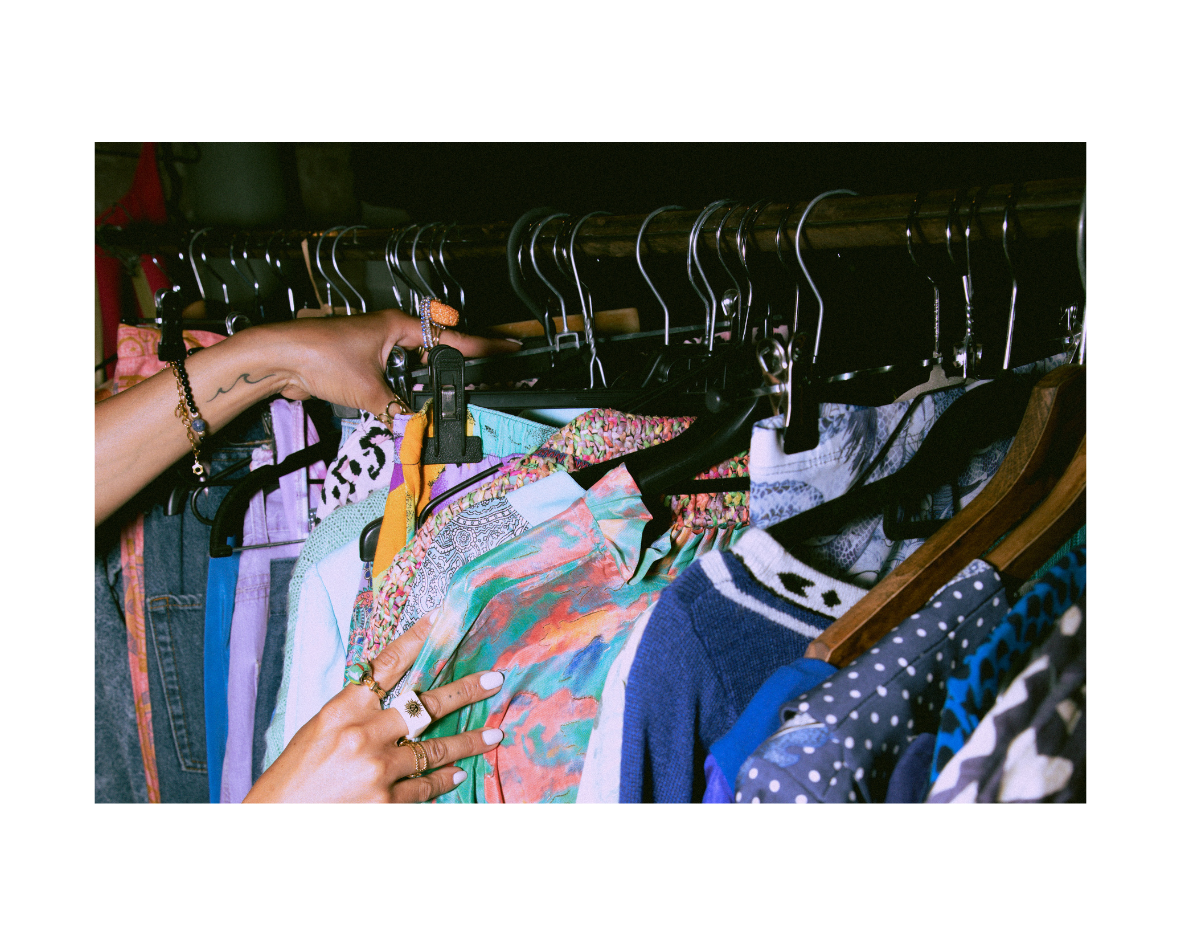
• Using sourcing strategies: second-hand, refurbished, or “pre-loved” goods to get quality or sustainable credentials without full premium pricing.
• Waiting and hunting deals: discounts, waiting for sales, using coupons, rewards, etc.
• Paying premium for experiences, authenticity, ethical or local products—but only if they feel the value is real and transparent.

Challenges & tensions
Gen Z faces a few tensions:
- Inflation & cost of living squeeze don’t leave much slack. Even when they want no trade-offs, often budget realities force them into trade-downs.
- Willingness vs ability: surveys show many say they want sustainable/ethical products; but not all can always pay more. Thus the premium they will accept has limits.
- Brand trust & “greenwashing”: because many brands are claiming sustainability, Gen Z are skeptical and look for proof. If they feel deceived, they’ll abandon.
- Debt / financial risk: Using flexible payments or credit can enable “getting more” now, but may carry risk in the long run.
What DOES This Mean for Gen Z Themselves?
If you’re Gen Z (or young, values-conscious, trying to maximize what you get), some tips:
- Be intentional: decide in advance what categories matter most to you (e.g. sustainability, brand ethics, experience) and invest there.
- Use resale, second-hand, or refurbished paths. They give you more value, often with less trade-off.
- Wait for sales or use alerts; use coupons or loyalty programs. The “no trade-off” ideal is rarely possible without clever timing or flexibility.
Build in buffer: in case you need to trade down in unexpected areas (utilities, rent, etc.), so your core values aren’t compromised.

Gen Z in the EU is reshaping consumer culture. They want it all—but they know they probably can’t have everything. What they can do is pick and choose, making trade-offs elsewhere so they don’t compromise on what matters most: authenticity, sustainability, quality, identity. Brands (and financial-service providers) that understand this juggling act—and enable it—are the ones who will win this generation’s loyalty.
Disclaimer: This blog is for informational purposes only and does not constitute financial, investment, or consumer advice. All statistics and insights are based on publicly available data from reputable sources current at the time of writing but may change over time. We makes no representations or warranties about the accuracy or completeness of this information and accepts no liability for any decisions made based on it.