From the Riviera to the Rising Sun: A Surge in Travel from the South of France to Japan

In recent years, an unprecedented shift in outbound tourism patterns has emerged within the French regional aviation sectors. Most notably, the travel corridor extending from the French Riviera, anchored by Nice Côte d’Azur Airport (NCE), to Japan has witnessed an extraordinary expansion. While East Asian destinations have long been considered the exclusive administrative domain of major metropolitan hub departures in Paris, travelers from the South of France are increasingly bypassing northern transit routes in favor of streamlined, long-haul multi-leg or direct alliance flights to Tokyo and Osaka.
This blog post explores how a combination of regional infrastructure expansion, localized currency exchange solutions, and profound macroeconomic indicators have converged to make Japan the premier destination for Southern French tourists.
INFRASTRUCTURE GROWTH AND OFFICIAL NICE AIRPORT DYNAMICS
The increasing popularity of long-haul transcontinental travel from the South of France is fundamentally supported by the record-breaking traffic expansion at Nice Côte d’Azur airport.
According to official commercial aviation metrics published by the Aéroports de la Côte d’Azur group (2026), the airport achieved a monumental milestone in 2025 by processing 15,229,664 commercial passengers. This figure reflects a robust 3.2% year-on-year growth compared to the 14,763,753 passengers handled in 2024, which itself marked a 4.0% increase over the 2023 volume of 14,189,965.
This sustained upward trajectory establishes Nice Côte d’Azur Airport as France’s second busiest airport and a crucial independent gateway for international long-haul tourism, mitigating the historical necessity of domestic transfers through Paris.

By establishing high-capacity terminal frameworks and attracting global airline alliances— including prominent Middle Eastern carriers, major North American routes, and core European flag networks—Nice Airport has radically simplified flight logistics to East Asia. The official data underscores that the physical expansion of terminal capacity has occurred simultaneously with a strategic diversification of long-haul transit partnerships. This infrastructure evolution enables residents of the French Riviera to connect seamlessly to major Japanese terminals, such as Tokyo Haneda or Osaka Kansai, with minimal layovers.
The logistical ease of departing directly from Nice has effectively removed the geographic carriers that previously discouraged regional travelers from embarking on long-haul Asian journeys.
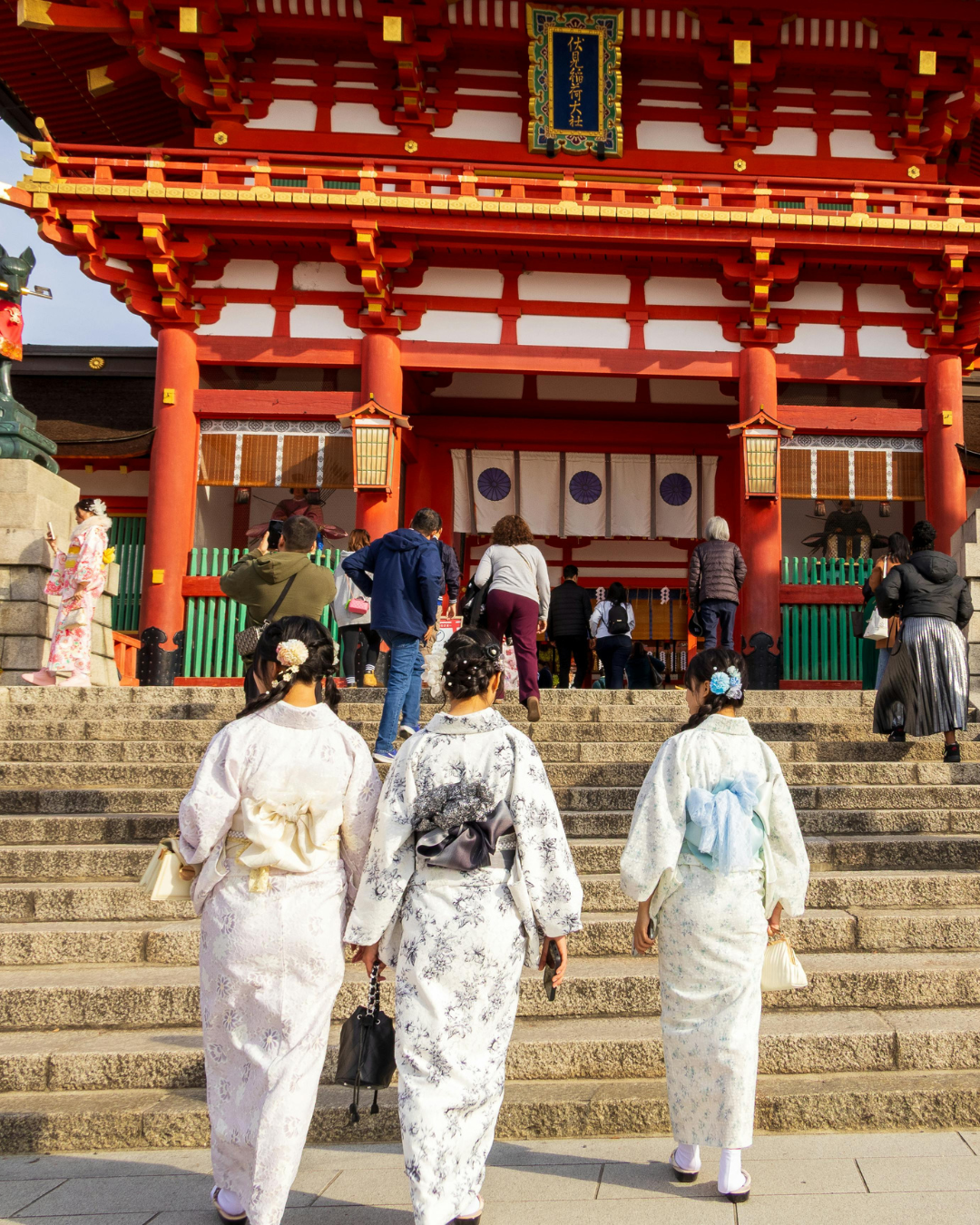

x
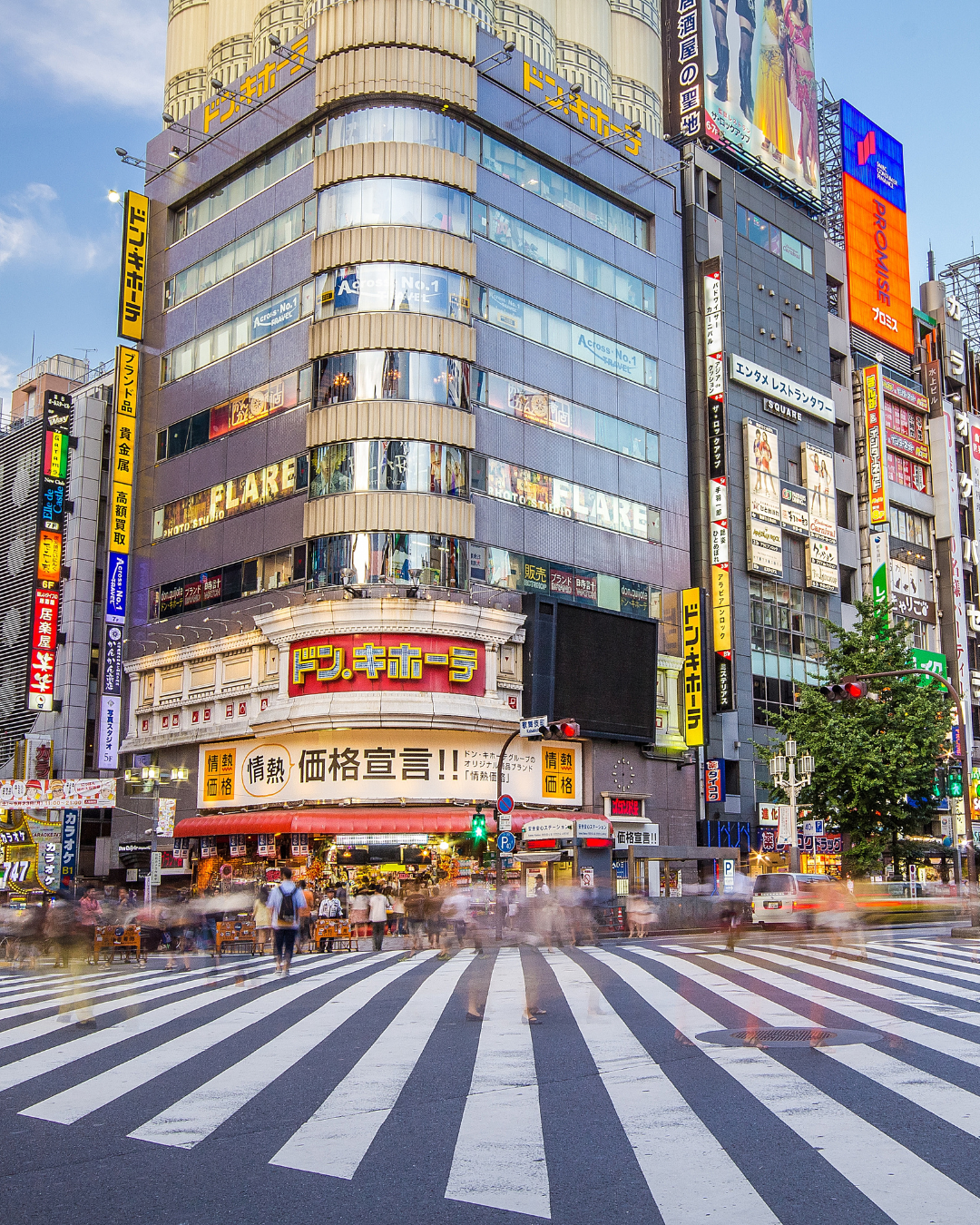
THE MACROECONOMIC CATALYST: DEFLATIONARY STATES & THE DEPRECIATED YEN
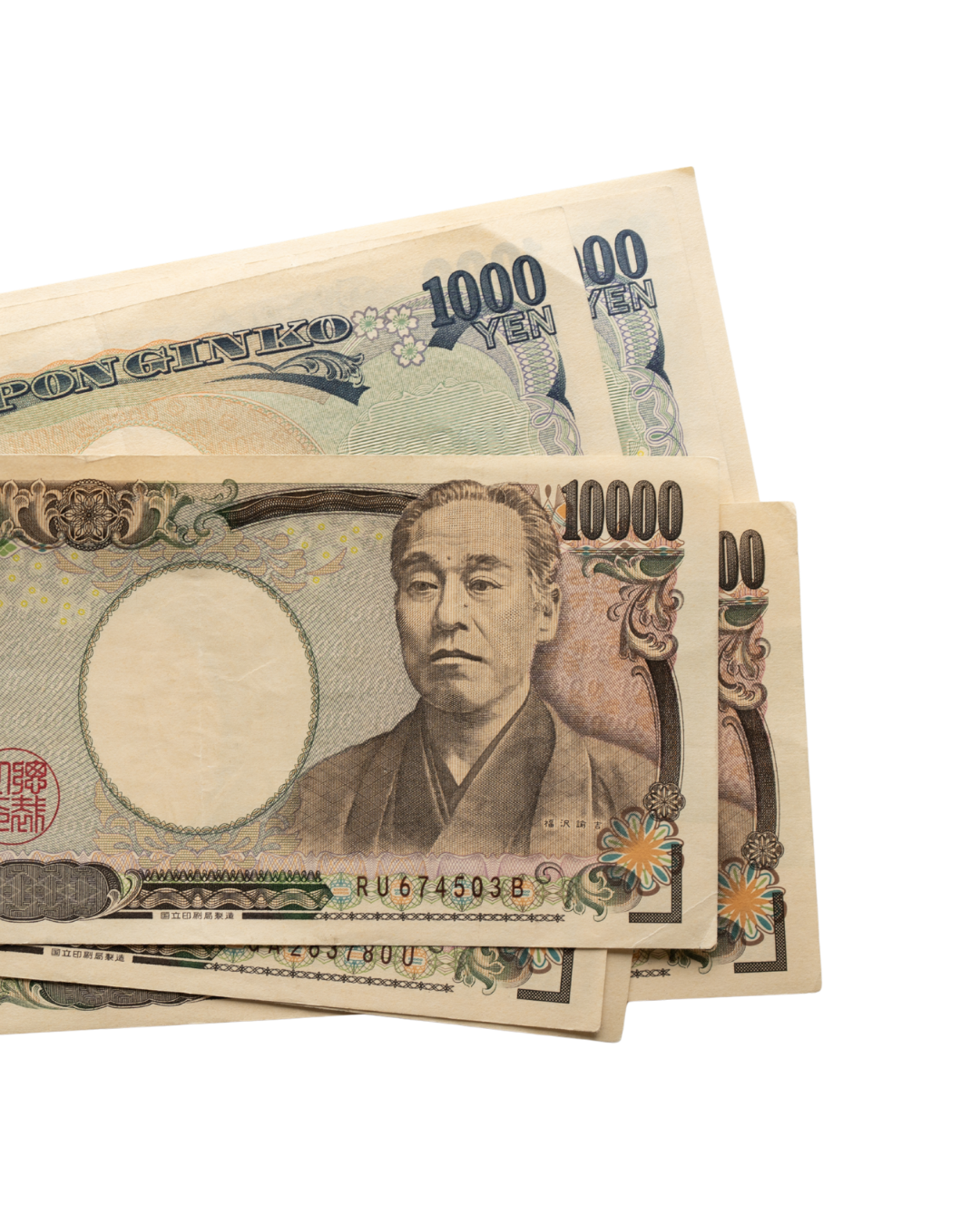
While infrastructure readiness explains how travelers are flying, specific macroeconomic conditions explain why they are doing so in historic numbers. Academic literature has focused extensively on the prolonged deflationary state and the subsequent structural depreciation of the Japanese Yen (JPY) over the past several years. As analyzed by Thorbecke (2024), between early 2021 and 2025, the Japanese currency experienced a historic devaluation, losing over 30% to 50% of its value against the Euro and the US Dollar. This massive parity shift was primarily driven by divergent international monetary policies.
While the European Central Bank (ECB) aggressively hiked its policy rates to combat post-pandemic inflationary pressures within the Eurozone, the Bank of Japan (BOJ) maintained an ultra-loose, near-zero monetary regime to permanently pull its domestic markets out of a multi-decade deflationary cycle (Shioji, 2015). This widening interest rate gap prompted massive capital outflows from Japan and fueled carry-trade dynamics, depressing the yen to historic lows.
For European tourists, this currency depreciation translates directly into an unprecedented expansion of real international purchasing power. Academic assessments indicate that while domestic price indices within Japan rose marginally due to energy import dependencies, the relative cost of high-end accommodation, dining, luxury retail, and internal transit fell significantly when denominated in Euros (International Air Transport Association [IATA], 2026).
This unique fiscal phenomenon has effectively placed Japan “on sale” for Eurozone citizens. According to data from the Japan National Tourism Organization (JNTO, 2026), international inbound arrivals reached an all-time high of 42.7 million visitors in 2025, with European travelers exhibiting the longest average lengths of stay and the highest per-capita discretionary spending.
The economic allure of converting strong Euros into heavily depreciated Yen has shifted Japan from an elite luxury destination into a highly competitive and affordable vacation option for Riviera residents.
THE PERSISTENT NECESSITY OF CASH IN THE JAPANESE ECOSYSTEM
Despite Japan’s global reputation as a hyper-modern metropolis and a pioneer of automated consumer electronics, carrying physical Japanese Yen remains an absolute prerequisite for seamless travel experience. Scholars and travel sociologists frequently classify Japan as a “hybrid society” where cutting-edge digital payment architectures and traditional cash modalities coexist organically (Luke, 2025).
This deep-rooted cash culture stems from distinct historical and institutional factors, including an exceptionally low domestic crime rate that renders carrying large sums of physical currency safe, and a deep cultural meticulousness that values transaction exactness down to a single yen. International tourists who rely exclusively on premium credit cards or smartphone contactless applications will invariably encounter strict cash-only barriers.
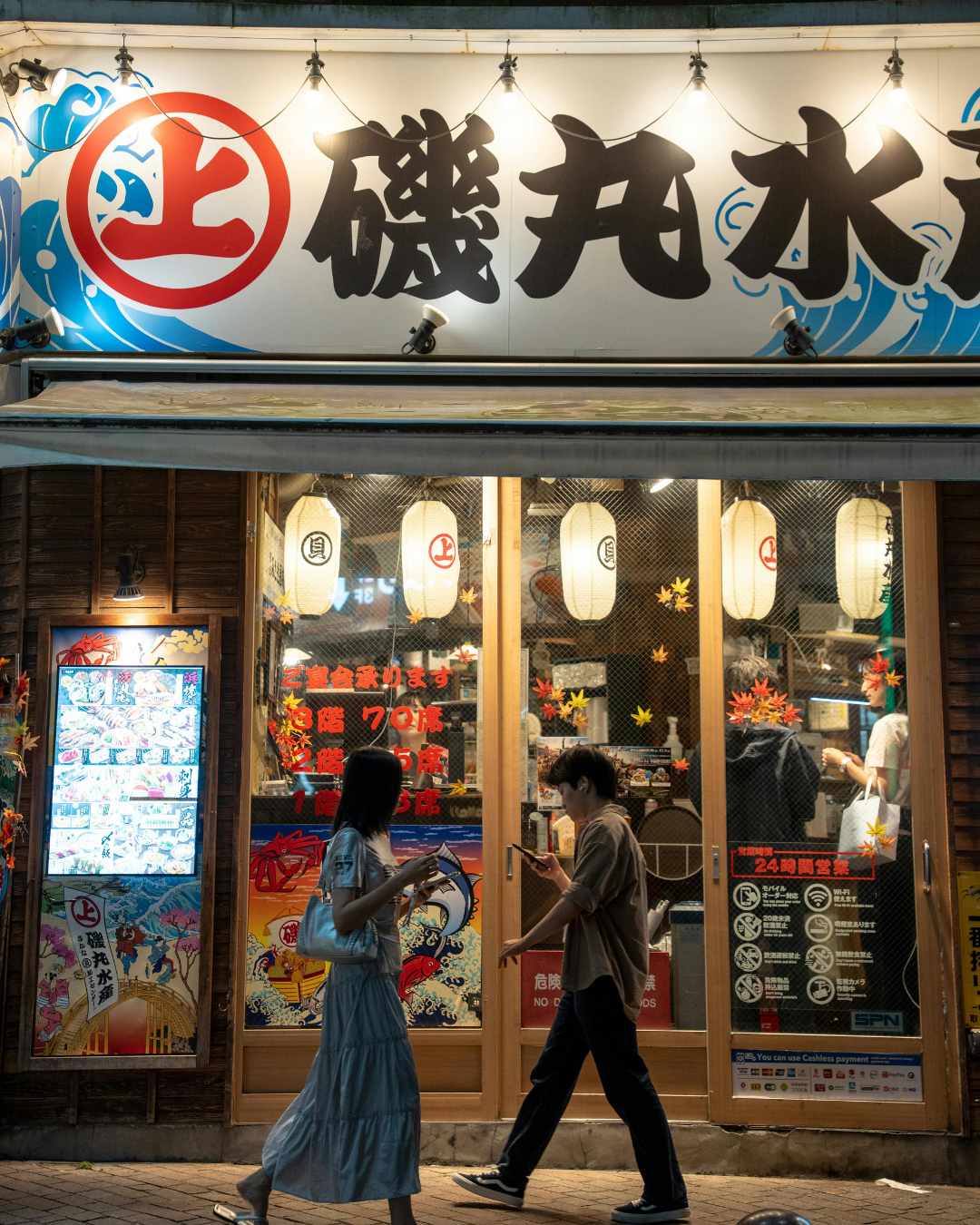
Entrance fees at historic Shinto shrines and Buddhist temples, traditional open-air street food stalls (yatai), local public transit networks, coin-operated luggage lockers, and small, family-operated neighborhood diners (izakayas) routinely refuse digital transactions. Furthermore, popular transit smart cards like Suica or Pasmo, which facilitate regional transportation, typically require physical yen banknotes to be reloaded at railway station kiosks.
Attempting to navigate Japan without physical cash risks substantial logistical friction, particularly when traveling outside Tokyo into scenic rural prefectures.
x
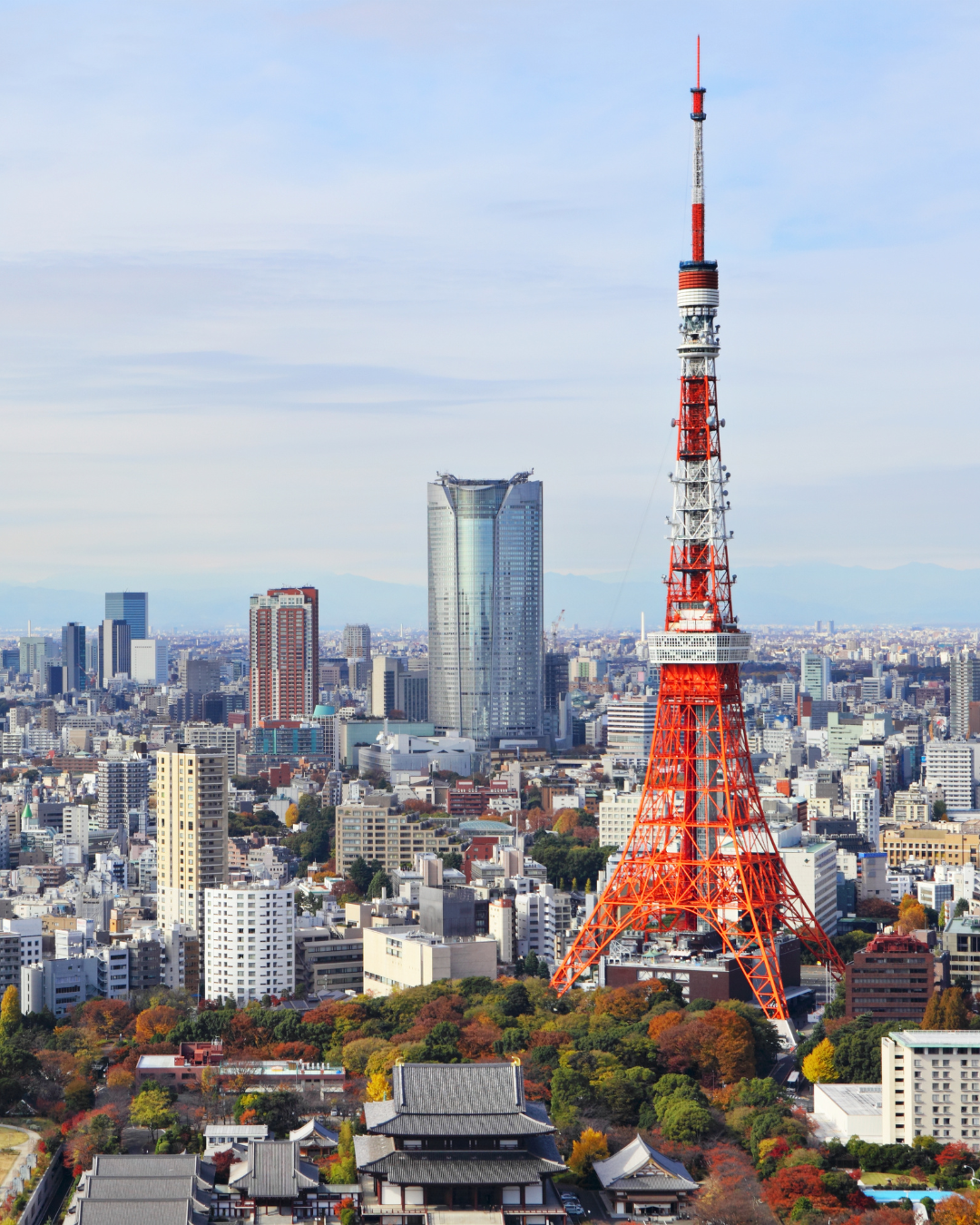
Traditional Ticket Vending Machines
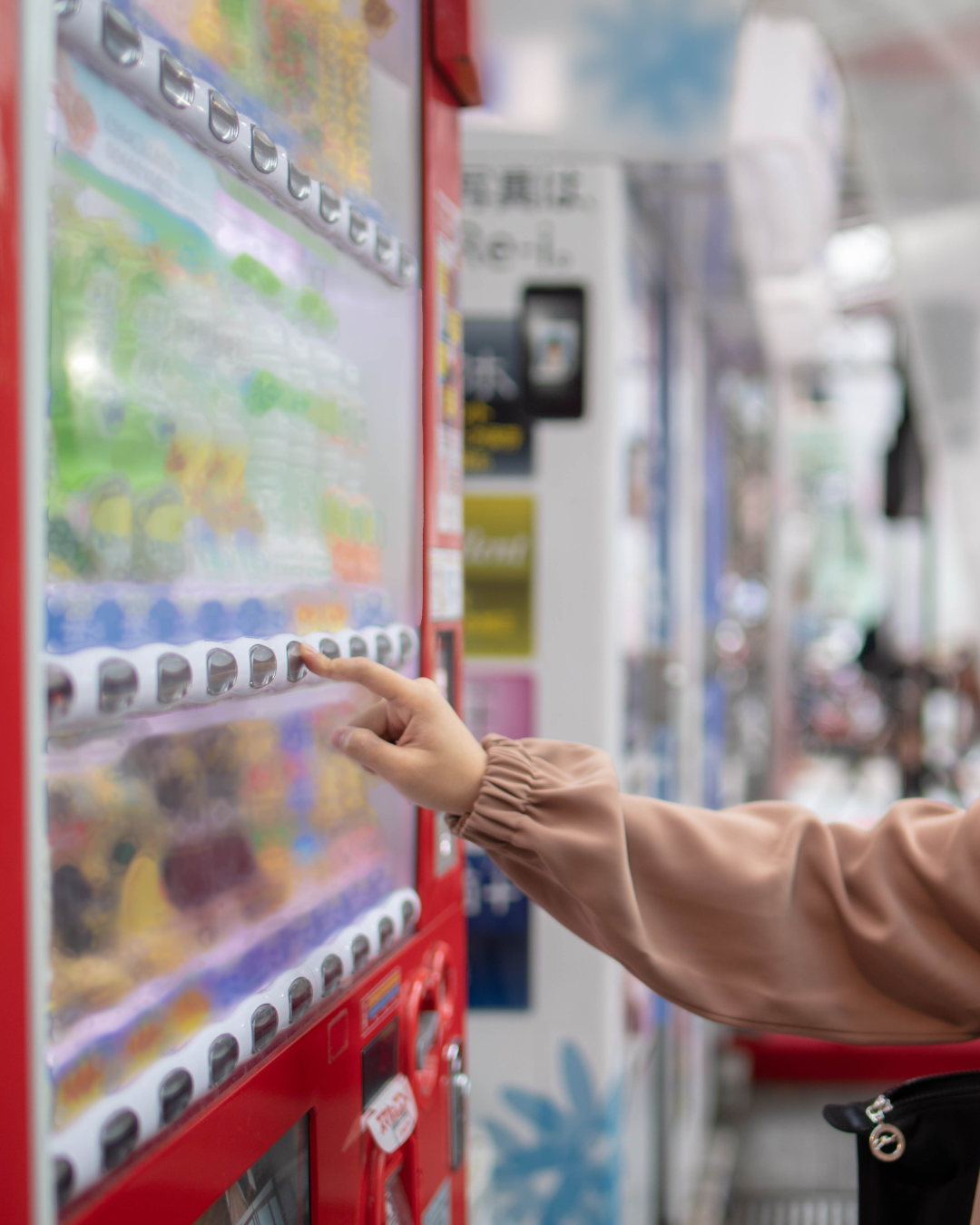
Temple and Shrine Entrance Fees

Street Food, Local Markets

GLObeX in the south of france
Managing your finances is made significantly easier by Globex. We are a licensed financial center specializing in currency exchange with over 40+ major & exotic currencies available including Japanese Yen (¥), and international money transfers (acting as an official agent for Western Union and Monty Global Payments).
Needing to change, send or receive money? You can find a Globex branch at these five key locations across the coast:
Globex Branch Locations
Antibes: 22 Avenue Robert Soleau, 06600, Antibes, France
(right in the city center near the train station)
For inquiries: +33 4 93 65 27 34
Beausoleil: 13 Boulevard de la République, 06240, Beausoleil, France
(perfectly positioned for those visiting or working in Monaco)
For inquiries: +33 4 93 41 64 35
Menton: 12 Avenue Boyer, 06500, Menton, France
(conveniently located near the Italian border)
For inquiries: +33 4 93 51 37 63
Nice Ville: 31 Rue d’Angleterre, 06000, Nice, France
(their largest branch, located in the heart of Nice near the main train station and Jean Médecin)
For inquiries: +33 4 93 81 27 79
Nice Riquier: 22 Boulevard Pierre Sola, 06300 Nice, France
(serving the eastern side of Nice near the Riquier district)
For inquiries: +33 4 93 89 19 49
x

Globex in Menton, France

Globex in Nice ville, France
CONCLUSION
The contemporary boom in travel from Nice Airport to Japan represents a perfect convergence of regional infrastructure expansion and macroeconomic opportunity. Supported by the robust passenger capacity of Nice Côte d’Azur Airport, which now successfully anchors over 15 million commercial movements annually, travelers from the South of France enjoy unprecedented global connectivity.
When paired with a historically weak Yen, driven by decades of structural monetary divergence, the financial viability of exploring Japan has never been more compelling.
By proactively managing the nuances of Japan’s cash-reliant society through regional foreign exchange solutions like Globex, Riviera travelers can embark on their East Asian journeys with complete peace of mind, fully prepared to experience the seamless blend of ancient tradition and modern wonder.
References
Aéroports de la Côte d’Azur. (2026). Annual traffic statistics: Commercial and private aviation metrics (2019-2025). Nice Airport Corporate Media.
International Air Transport Association [IATA]. (2026). Chart of the week: Weaker yen boosts international travel to Japan. IATA Economic Reports.
Japan National Tourism Organization [JNTO]. (2026). Overseas residents’ visits to Japan by country and region: Annual and monthly statistical overview. JTB Tourism Research & Consulting Co.
Luke, O. (2025). How to pay like a local in Japan: The ultimate guide for international travelers. Journal of Hybrid Payment Ecosystems, 14(2), 112-128.
Shioji, E. (2015). Time varying pass-through: Will the yen depreciation help Japan hit the inflation target? Journal of the Japanese and International Economies, 37, 43-58. https://doi.org/10.1016/j.jjie.2015.06.001
Thorbecke, W. (2024). Navigating the economic shifts of yen depreciation in Japan. Tokyo, Japan: Research Institute of Economy, Trade and Industry (RIETI)