What is Foreign Exchange & Why does it matter?
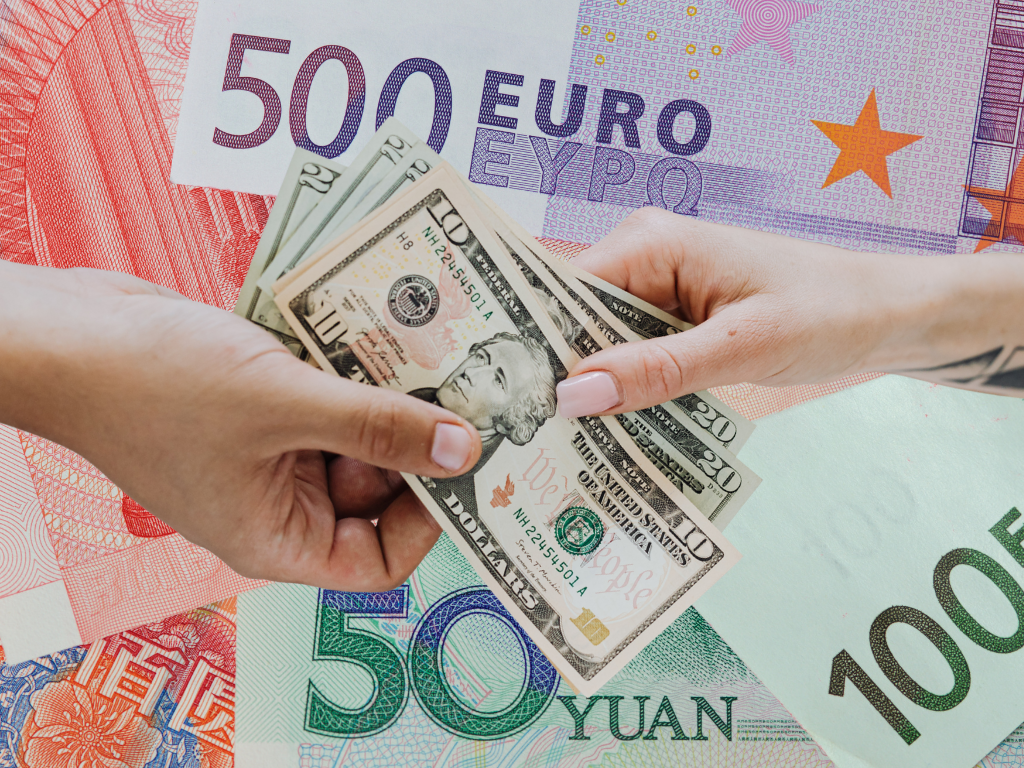
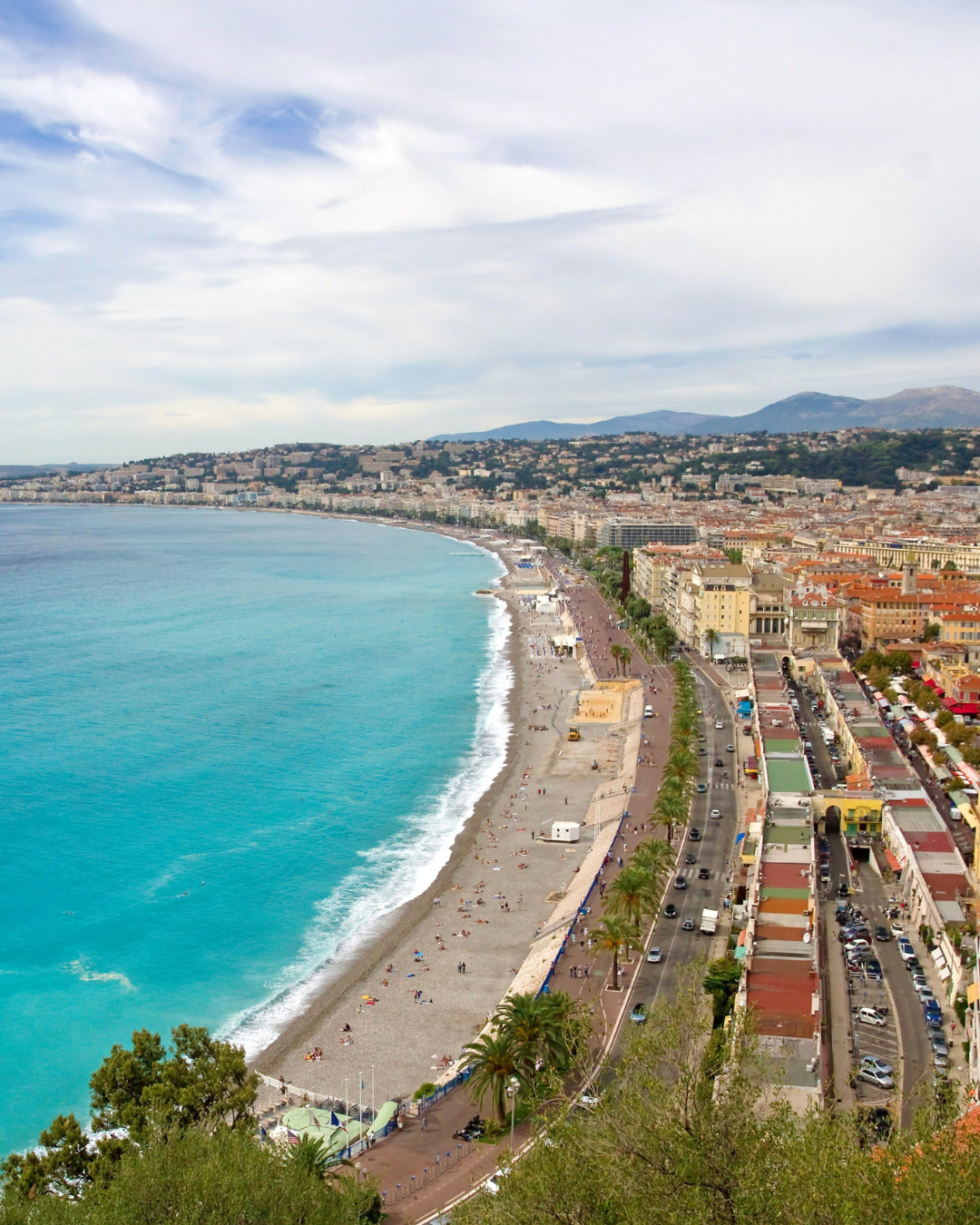
Imagine walking along the sun-drenched Promenade des Anglais in Nice or stepping off a superyacht in Monaco, eager to experience the world-class dining and culture of the South of France, only to find out your money is completely useless here. Conversely, imagine being a Riviera local planning a getaway to London or New York, unable to secure the local currency you need for your trip. Without a way to seamlessly swap one currency for another, the vibrant international life of the French Riviera would instantly grind to a halt.
This is the domain of the Foreign Exchange (FX) market—the massive, underlying financial network that connects global economies. For a region defined by international glamour, cross-border business, and global travel, the FX market isn’t just abstract finance; it is the vital passport that fuels daily life for millions of international tourists and outgoing locals alike.
The Scale of the FX Engine
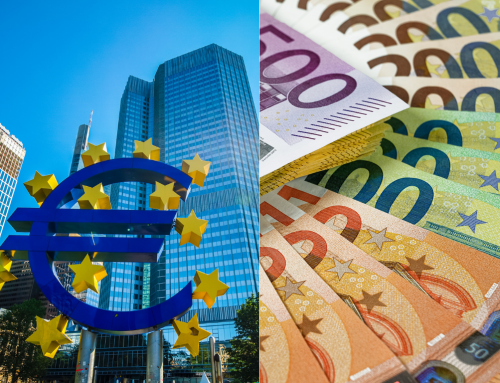
To understand the sheer magnitude of this market, you have to look at the numbers. According to official data from the Bank for International Settlements (BIS) Triennial Central Bank Survey, global FX market turnover surged to an astonishing $9.5 trillion per day (Findlay, 2026). To put that in perspective, that daily volume is dozens of times larger than global daily GDP.
For the French Riviera, the FX market is not an abstract financial concept—it is a daily logistical necessity. As one of the world’s premier luxury tourist destinations, the region welcomes millions of non-Eurozone visitors annually from the US, the UK, the Gulf States, and beyond, all needing to convert their wealth into Euros to fund hotels, yacht charters, and local hospitality.
Simultaneously, the region is home to a highly affluent, globally mobile local population. Whether it is residents traveling abroad for business, regional expats managing assets across borders, or locals jetting off from Nice Côte d’Azur Airport to destinations outside the Eurozone, the ability to smoothly access physical or digital foreign currency is vital.
Why Is the FX Market Crucial for Tourists?
While multinational corporations use the FX market to move billions, its day-to-day fluctuations and underlying health directly dictate the reality of your vacation budget.
1. Determining Your Purchasing Power
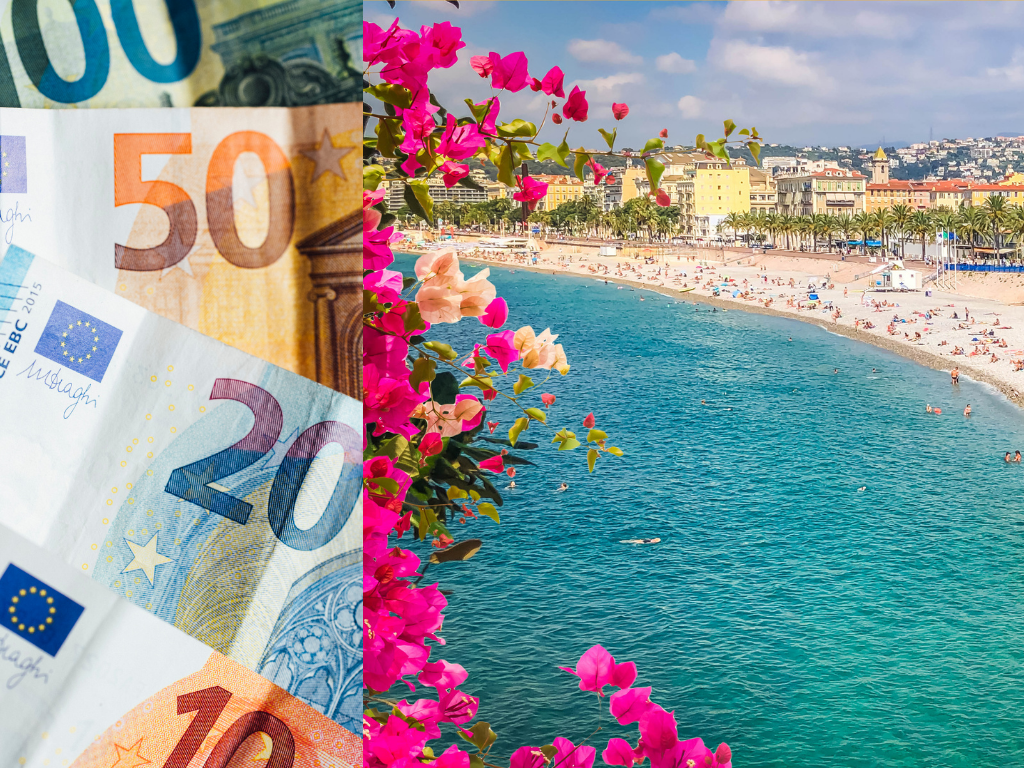
The most direct impact the FX market has on a tourist is purchasing power. If your home currency strengthens against the currency of your destination, your trip suddenly becomes a bargain. Conversely, if your home currency weakens, everything from hotel rooms to dinners becomes significantly more expensive. Academic research on international tourism demonstrates that exchange rate volatility is one of the single most influential factors dictating where tourists choose to travel and how much they spend once they arrive (Drehmann & Sushko, 2022).
2. Eliminating Friction in Travel Commerce
Every time you tap your card at a foreign train station, book a flight on an international airline, or withdraw local bills from an overseas ATM, you are tapping directly into the FX market. The market provides price discovery and liquidity, ensuring that retail banks and credit card networks can instantly calculate and execute conversions.
Keeping the Wheels Turning: How Globex Services the Market
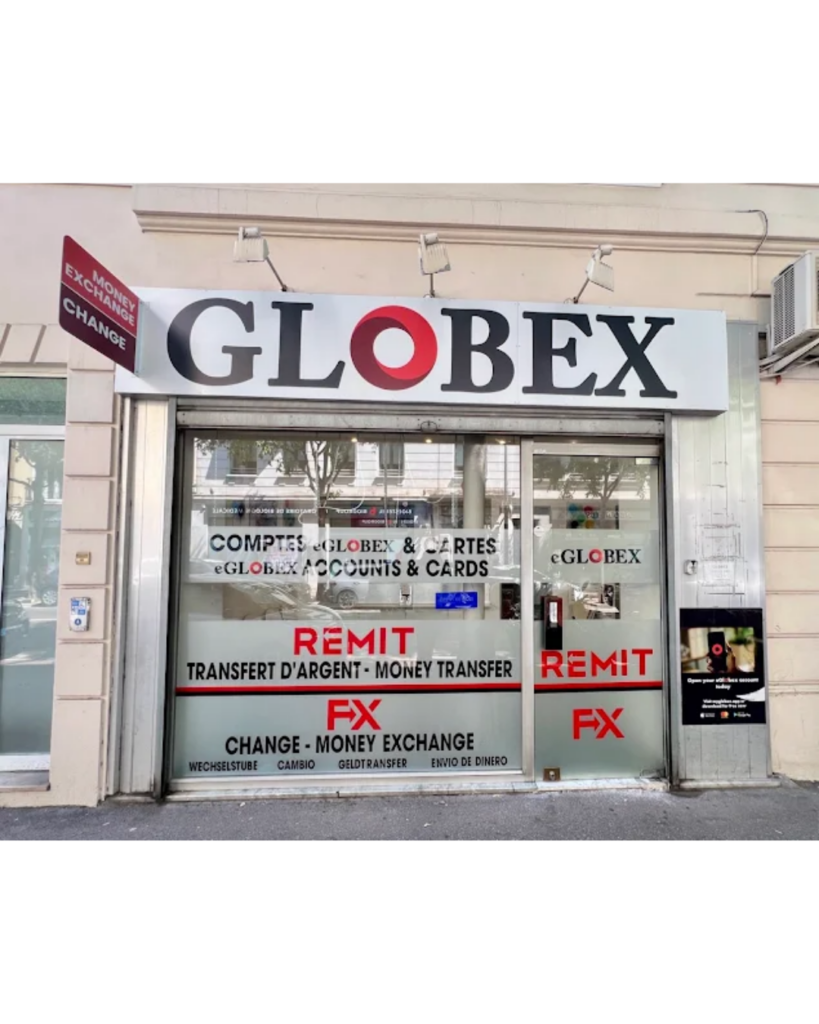
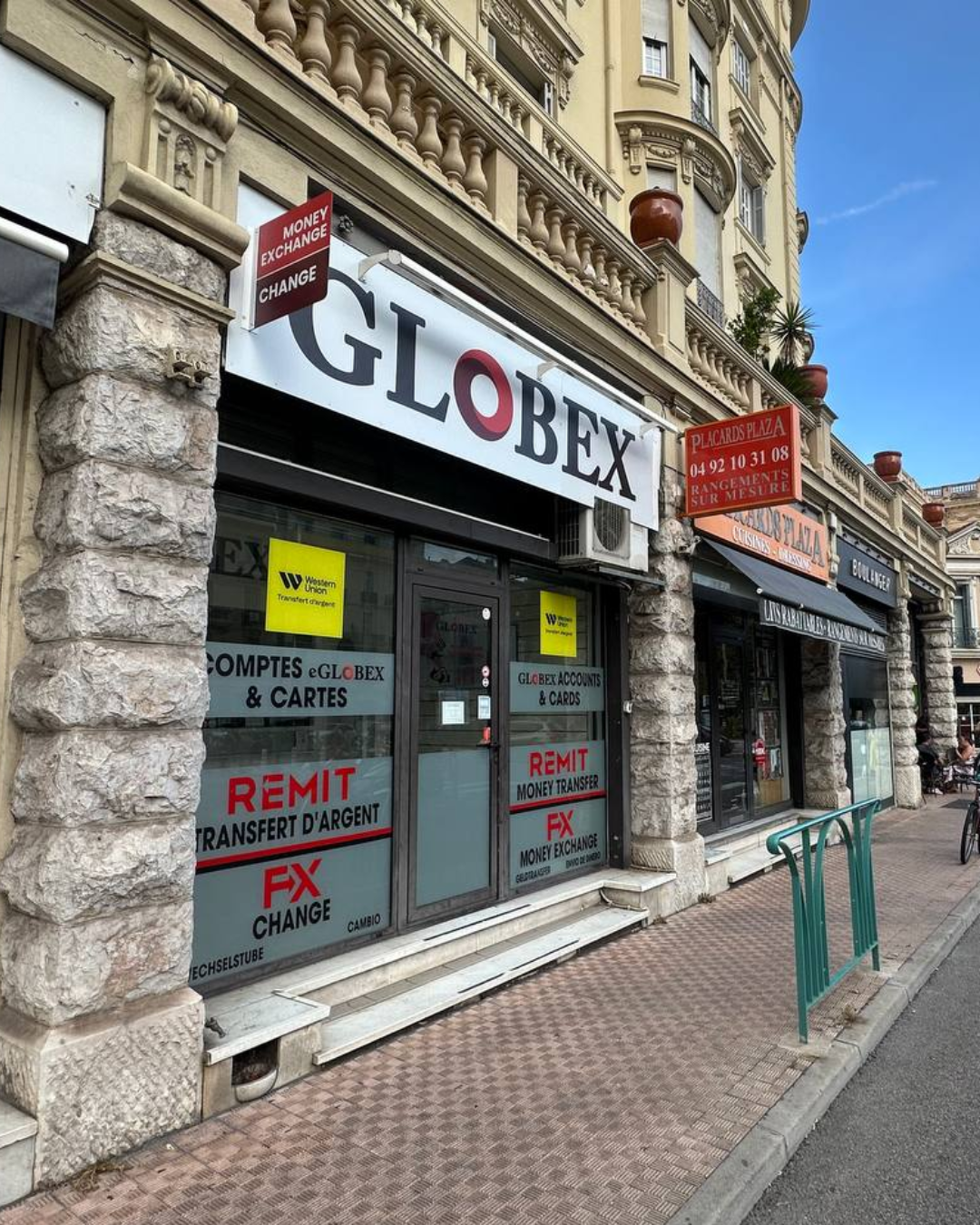
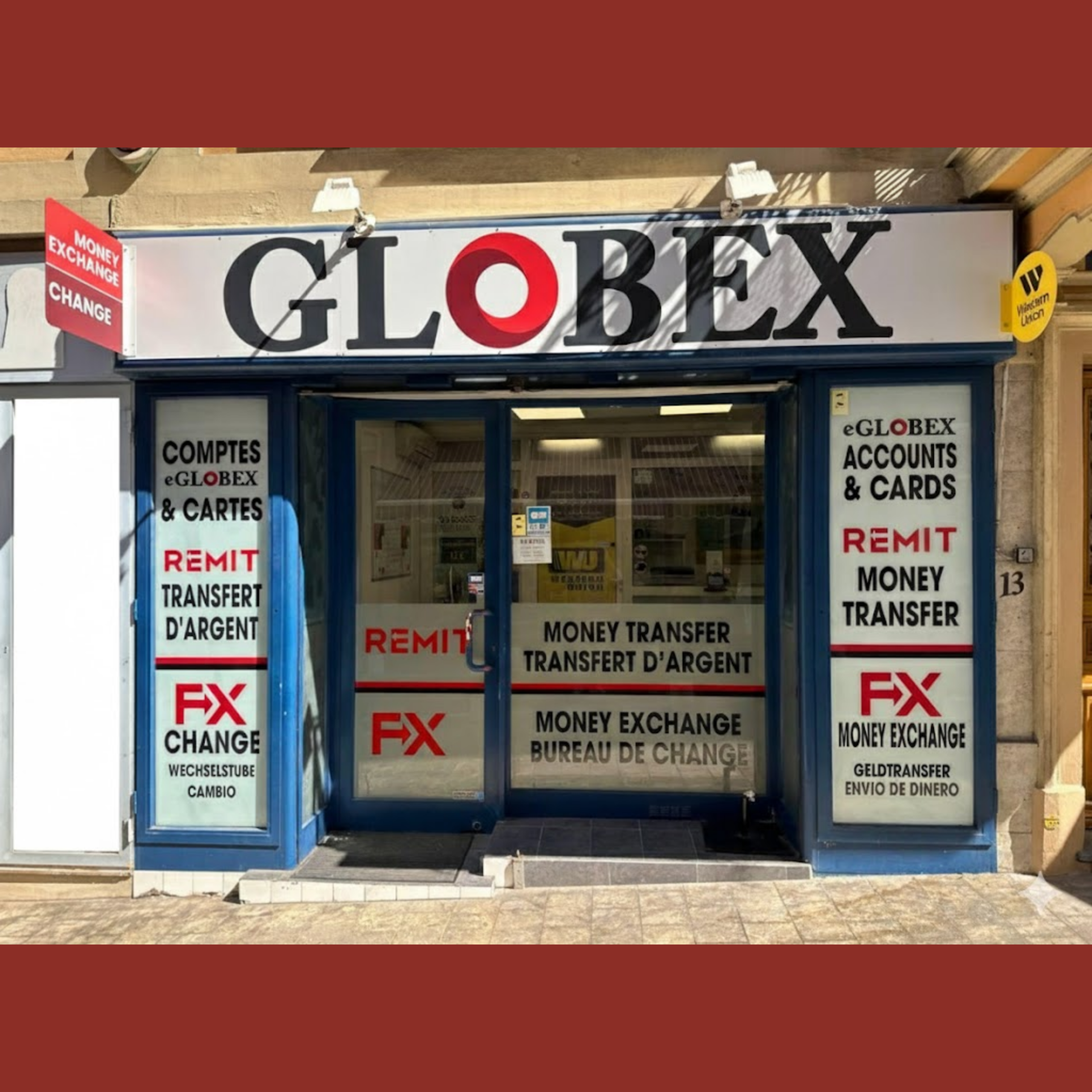
While the global wholesale market operates in the billions, travelers need a trusted intermediary to bring those rates to the street. In the South of France, Globex (licensed by the ACPR Banque de France) bridges this gap directly for the retail consumer.
Operating physical exchange branches in major tourist hotspots across the French Riviera—including locations in Antibes, Beausoleil, Menton and Nice —Globex caters directly to international travelers.
By partnering with global institutional providers like Loomis FXGS, Globex is able to bypass typical retail banking fragmentation. This partnership allows them to offer tourists access to more than 40 different currencies—spanning major world currencies like the US Dollar, British Pound, and Japanese Yen, alongside more exotic options—at highly competitive FX rates.
By providing deep currency availability and transparent pricing directly to the public, they eliminate the steep margins and hidden fees that historically plague tourist currency exchanges (Drehmann & Sushko, 2022).
Globex in Antibes
22 Avenue Robert Soleau, 06600 Antibes, France
Globex in Beausoleil
13 Boulevard de la République, 06240 Beausoleil, France
Globex in Menton
12 Avenue Boyer, 06500 Menton, France
Globex in Nice
Nice centre: 31 Rue d’Angleterre, 06000 Nice, France
Nice riquier: 22 Boulevard Pierre Sola, 06300 Nice, France
Find out more information about the branches here.
Your Content Goes Here
References (APA 6th Edition)
Drehmann, M., & Sushko, V. (2022). The global foreign exchange market in a higher-volatility environment. BIS Quarterly Review, December.
Findlay, J. (2026). Developments in Foreign Exchange and Over-the-counter Derivatives Markets. Reserve Bank of Australia Bulletin, February.
Hacioglu Hoke, S., Ostry, D. A., & He, H. (2026). Topography of the FX derivatives market: A view from London. NBER Working Paper Series, No. w34588.