The Menton Wave: Why the French Riviera’s Best-Kept Secret is Capturing the World’s Attention
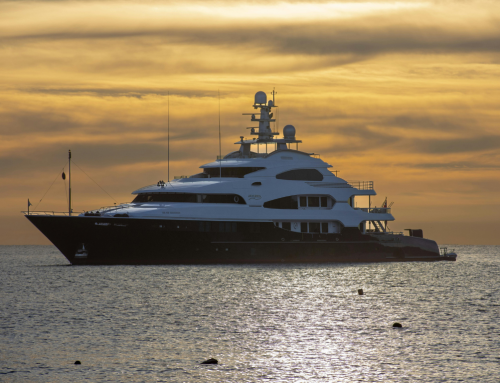
For decades, the glitz of Cannes, the sprawling energy of Nice, and the superyachts of Monaco dominated the narrative of the French Riviera. But a quiet shift is happening along the sun-drenched coast. Menton—the final French town before the road crosses into Italy—is experiencing a major renaissance, drawing a growing wave of international travelers who want something the rest of the Côte d’Azur lost decades ago: authenticity, a slower pace, and incredible value.
Where the Alps Meet the Sea: The Magic Location
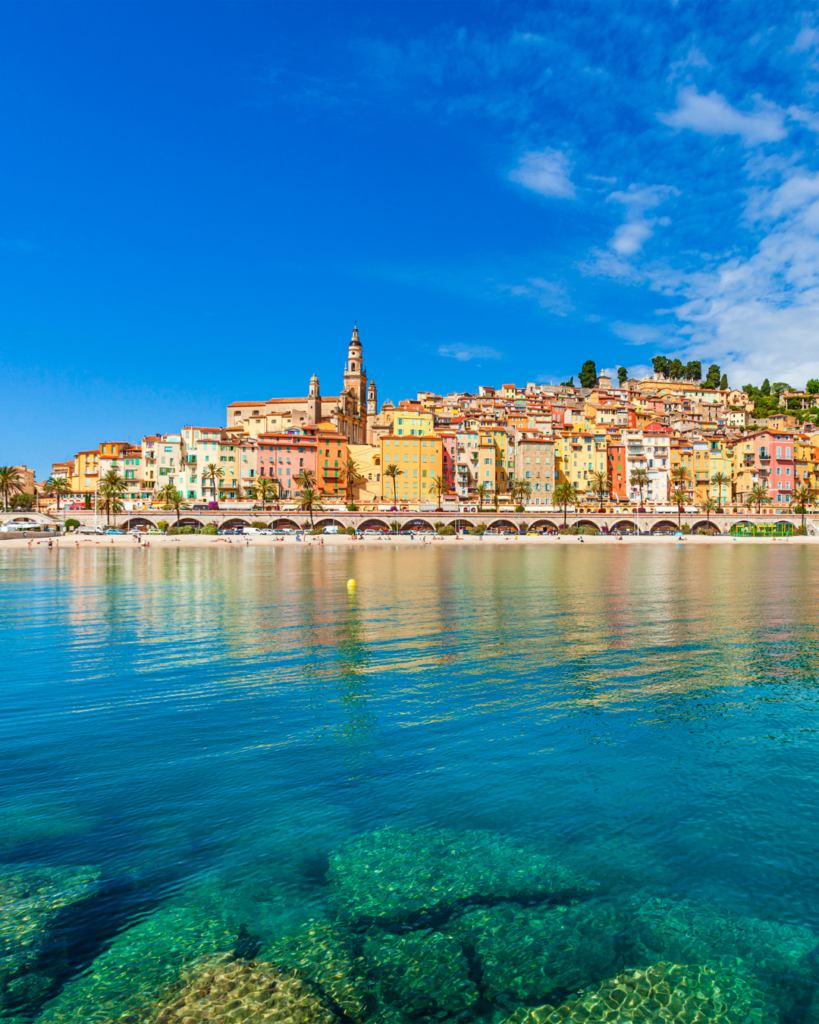
Menton occupies a genuinely unique geographic pocket. Tucked into the easternmost edge of the Alpes-Maritimes department, the town is pressed tightly between the dramatic foothills of the Alps and the sparkling expanse of the Mediterranean Sea.
Because the surrounding mountains form a natural amphitheater, they shield the town from the harsh northern mistral winds. This creates a highly specific microclimate boasting over 310 days of sunshine per year. It is the warmest winter climate in continental France—warm enough that commercial lemon groves thrive here while freezing just a few miles down the road in Nice. In fact, you can quite literally walk across the border into Ventimiglia, Italy, for lunch and be back in France by dinner time.
The Numbers Don’t Lie: Menton’s Rising Global Appeal
While Menton historically attracted regional holidaymakers and retirees seeking mild winters, official data highlights a sharp rise in global curiosity. According to the Côte d’Azur France Tourisme Observatory (2024), international visitors now account for a staggering 52% of all tourism attendance across the region, driving total tourism consumption to a record-breaking €6.5 billion.
Academic research tracking Mediterranean coastal historical towns notes that global travel patterns are shifting away from homogenized mega-resorts. Modern travelers increasingly seek destinations that preserve their genius loci (the unique spirit of a place) while offering robust cultural heritage. Menton strikes this balance perfectly. Its world-renowned annual Fête du Citron (Lemon Festival) alone now attracts upwards of 240,000 international spectators every February, proving that the town is no longer just a summer stopover.
Steeped in History: Must-See Landmarks
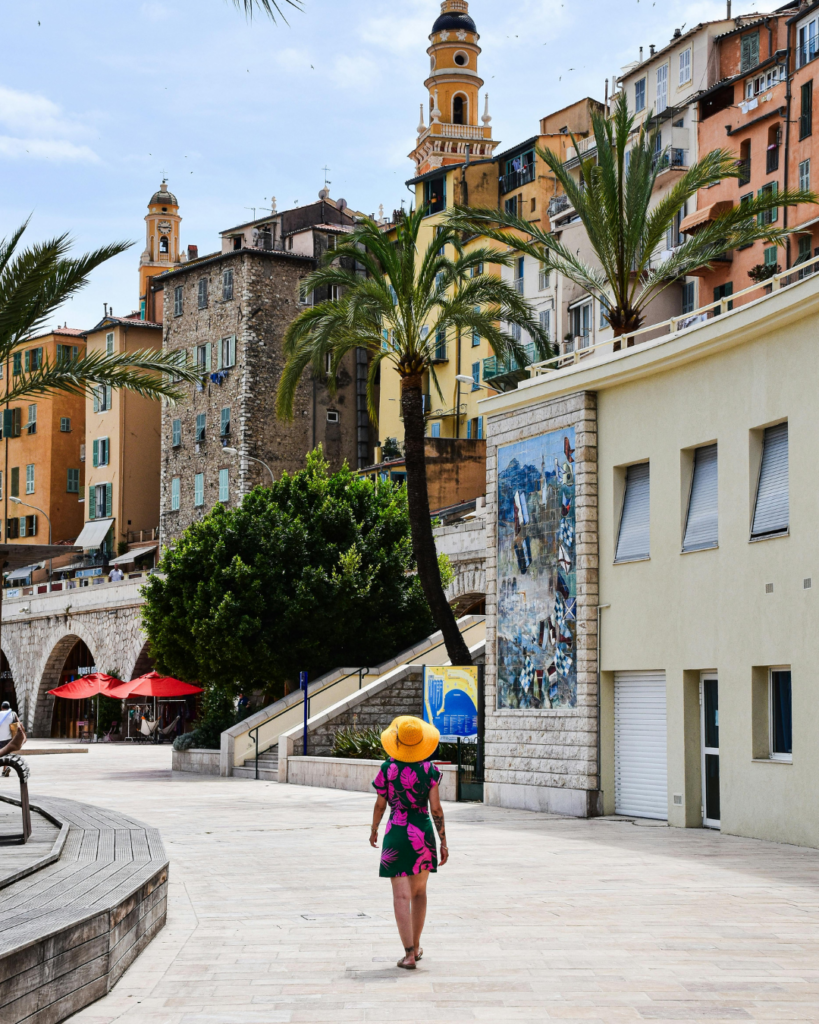
Menton’s architecture tells the story of its dual French-Italian soul and its status as a 19th-century aristocratic health resort.
1. Le Vieux Menton (The Old Town)
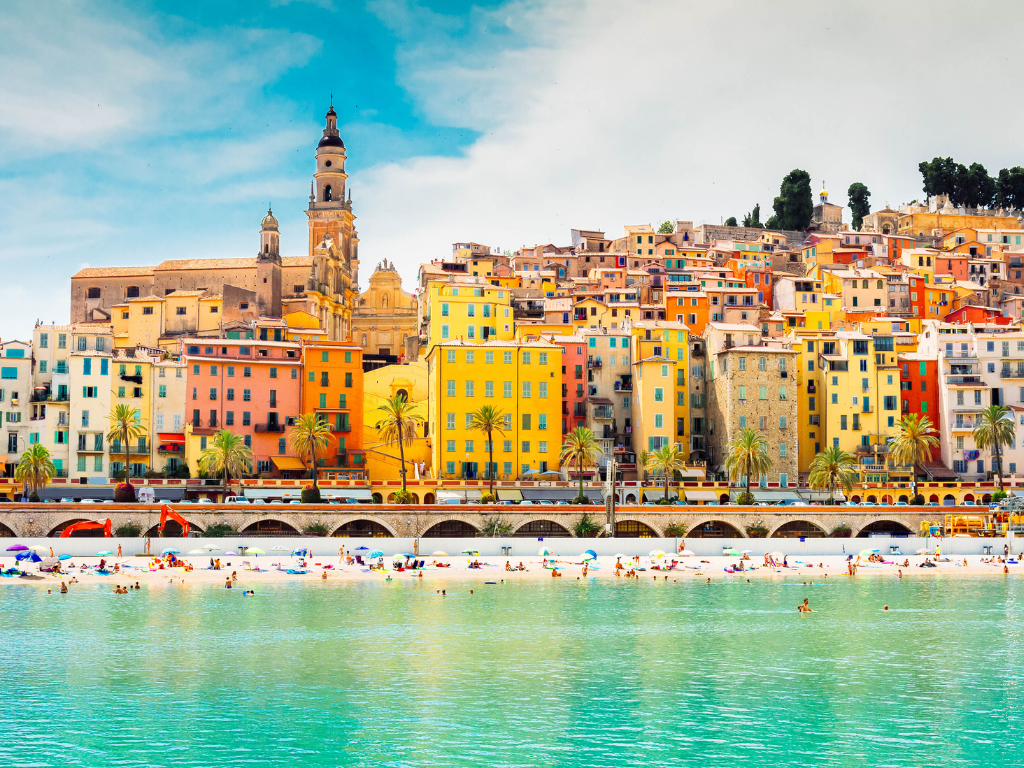
A labyrinth of narrow, winding alleys painted in warm shades of terracotta, ochre, and pastel yellow. Walking through here feels like stepping back into the Middle Ages. Don’t miss a walk up the historic Escalier des Sarcophages for an unbeatable view of the old port.
2.The Basilique Saint-Michel-Archange
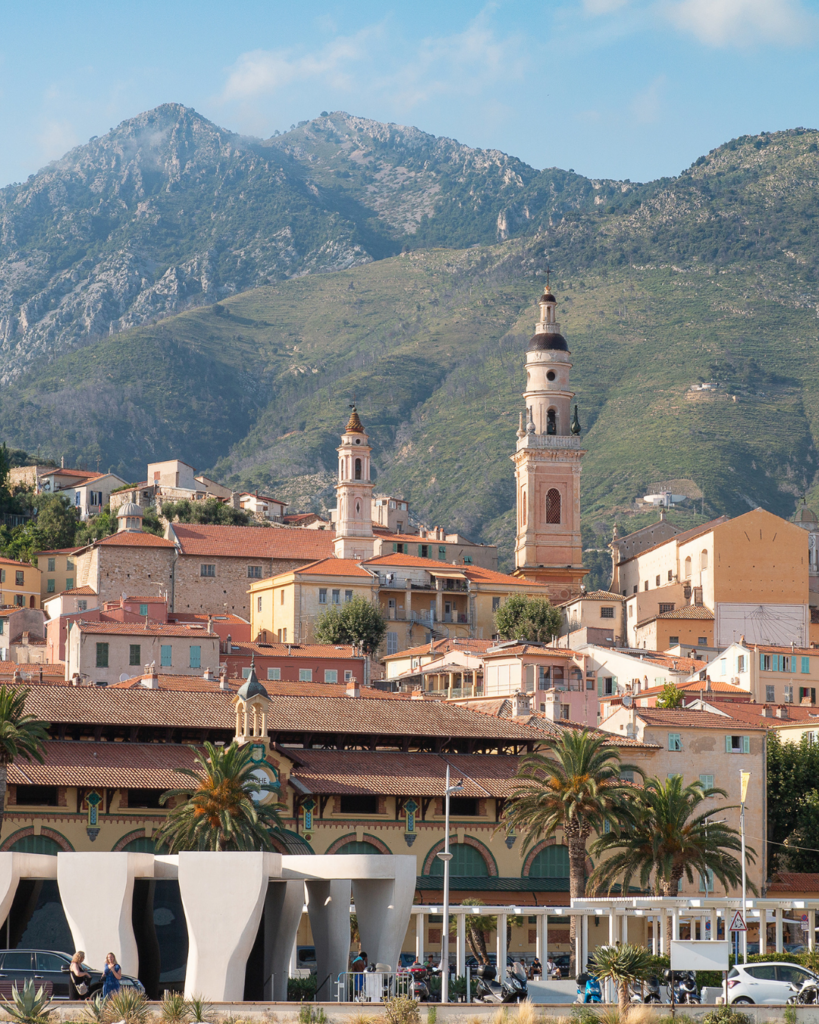
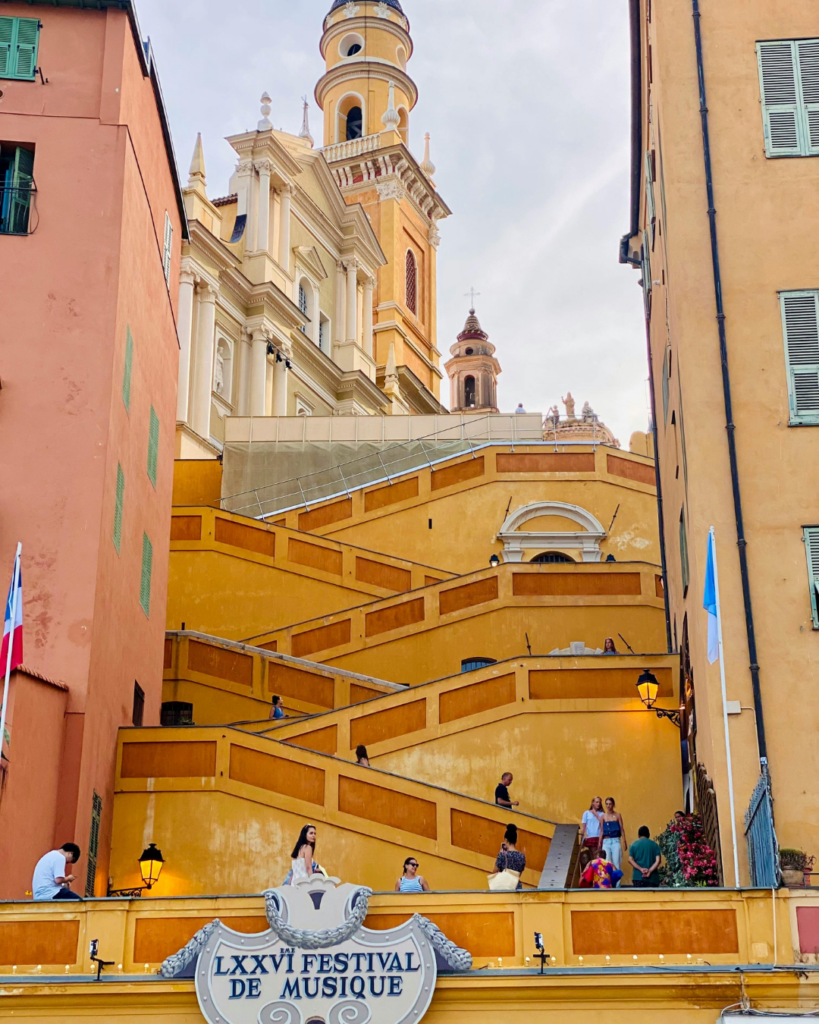
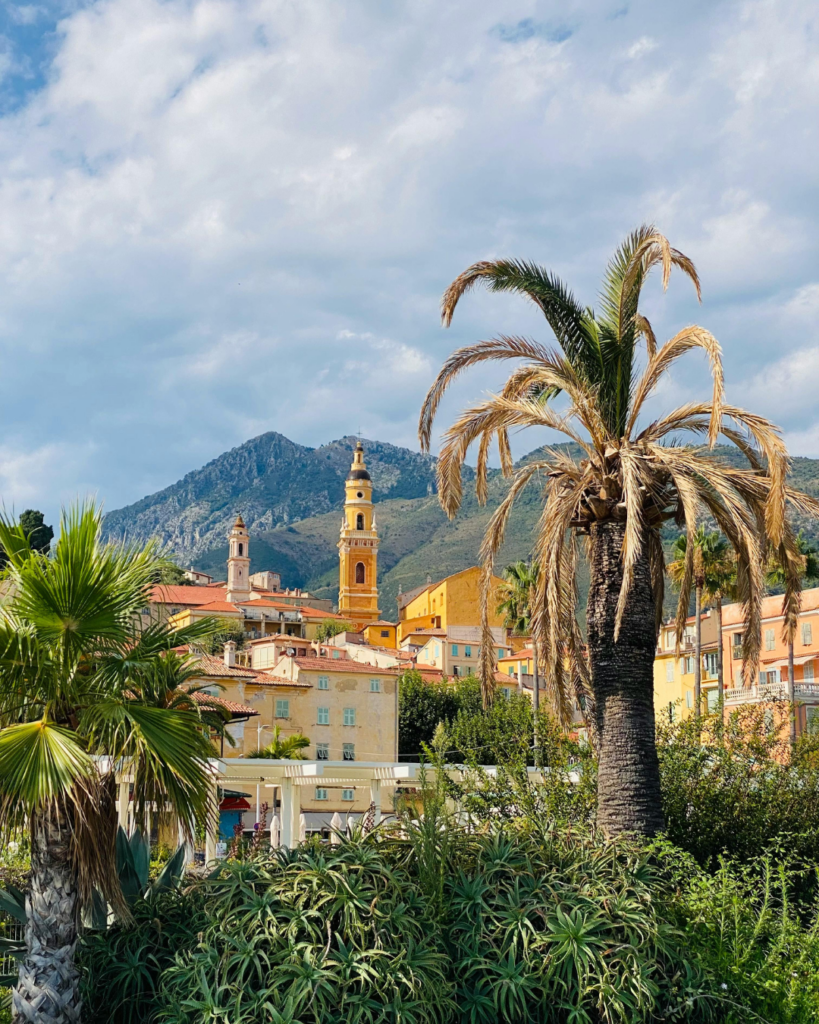
Rising majestically above the old town is the crown jewel of Menton’s skyline. Built in the 17th century, this basilica is a masterpiece of Baroque art. As you approach via the grand, sweeping staircases, look closely at the square below: it is paved entirely with an intricate mosaic of black and white pebbles displaying the coat of arms of the House of Grimaldi, the ruling family of nearby Monaco who controlled Menton for centuries.
3. The Jean Cocteau Museum (The Bastion)
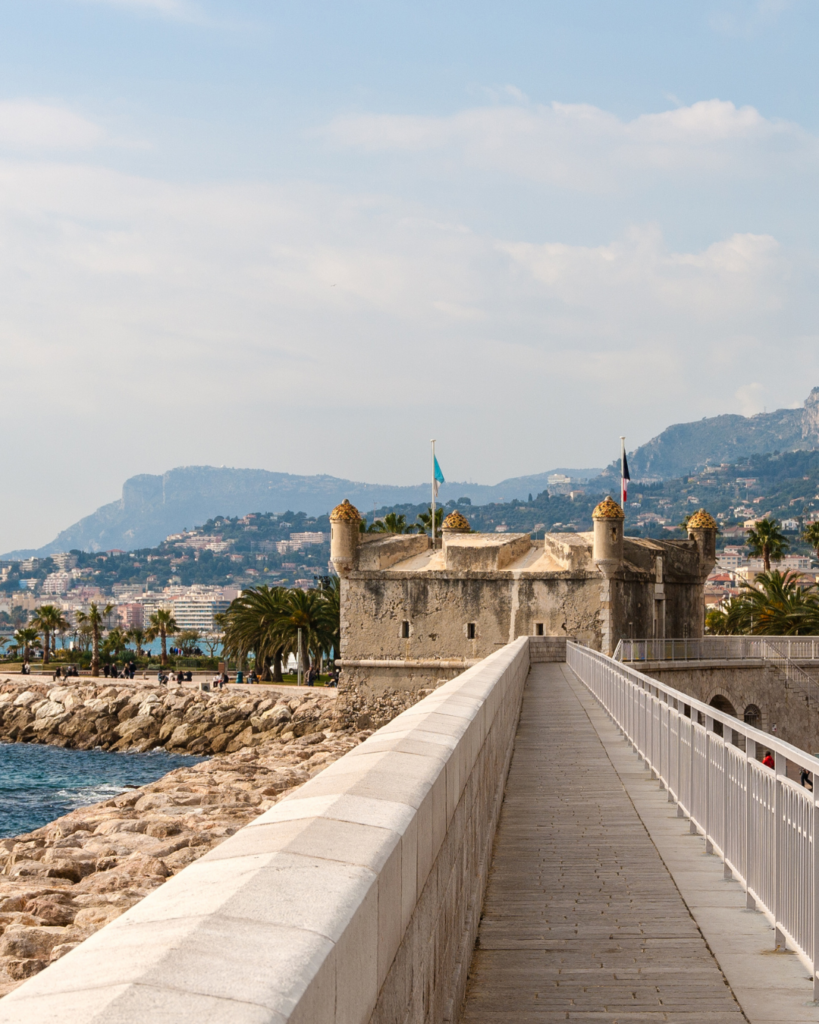
Located right on the harbor wall, this 17th-century fort was restored and decorated by the legendary French artist and filmmaker Jean Cocteau in the 1950s. Cocteau fell in love with the raw beauty of the town and transformed the stone structure into a showcase for his mosaic work and drawings.
Doing Menton on a Budget
The best part about Menton’s rising popularity? It hasn’t completely inflated the town’s prices. It remains one of the most budget-friendly destinations on the French Riviera, especially when compared to its neighbors.
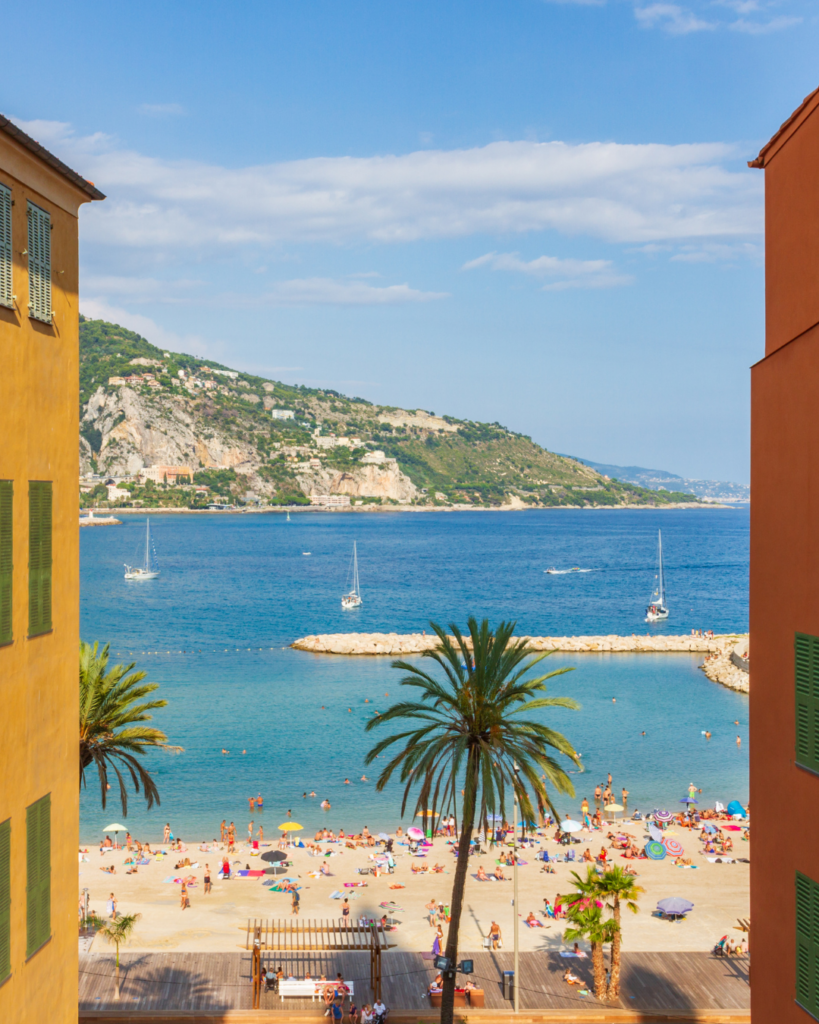
Free Beaches: Unlike Cannes or Nice, where prime stretches of sand are private and cost upwards of €30 a day for a lounge chair, Menton’s pristine public beaches—like Plage des Sablettes—are entirely free, clean, and safe.
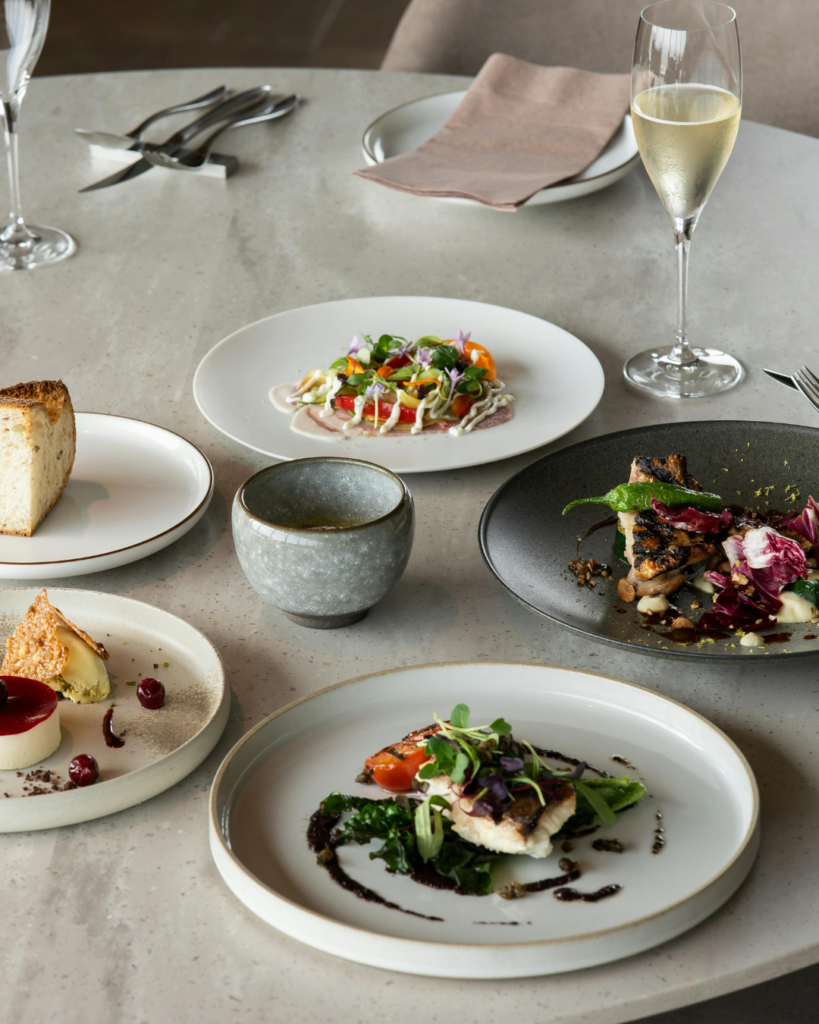
Affordable Riviera Dining: A three-course meal for two in Menton typically runs between €50 and €70, which is roughly 30% to 40% cheaper than equivalent dining options in Nice or Monaco. Grab a slice of socca (a delicious local chickpea pancake) or pissaladière (onion and anchovy tart) from the Marché Couvert (Covered Market) for just a few euros.
The Public Gardens: While some historic gardens charge admission, wandering the citrus-lined pathways of the Jardin du Palais de Carnolès—which hosts the largest collection of citrus trees in France—is an incredibly peaceful, zero-cost way to spend an afternoon.
Menton proves that you don’t need a billionaire’s budget to experience the absolute finest elements of the French Riviera. It is slow, colorful, rich in history, and waiting to be discovered.

globex in menton
Navigating financial logistics while abroad can often be stressful, but the town’s shifting focus toward welcoming global crowds has made managing travel funds seamless. For international visitors needing to transfer money internationally and exchange over 40+ currencies Globex operates a centrally located branch right in the heart of town.
You can easily stop by during a day of sightseeing; the branch is located at 12 Avenue Boyer, 06500 Menton, France.
Known for its tourist-friendly environment, multi-lingual assistance, and highly accessible setup, it takes the friction out of converting vacation funds.
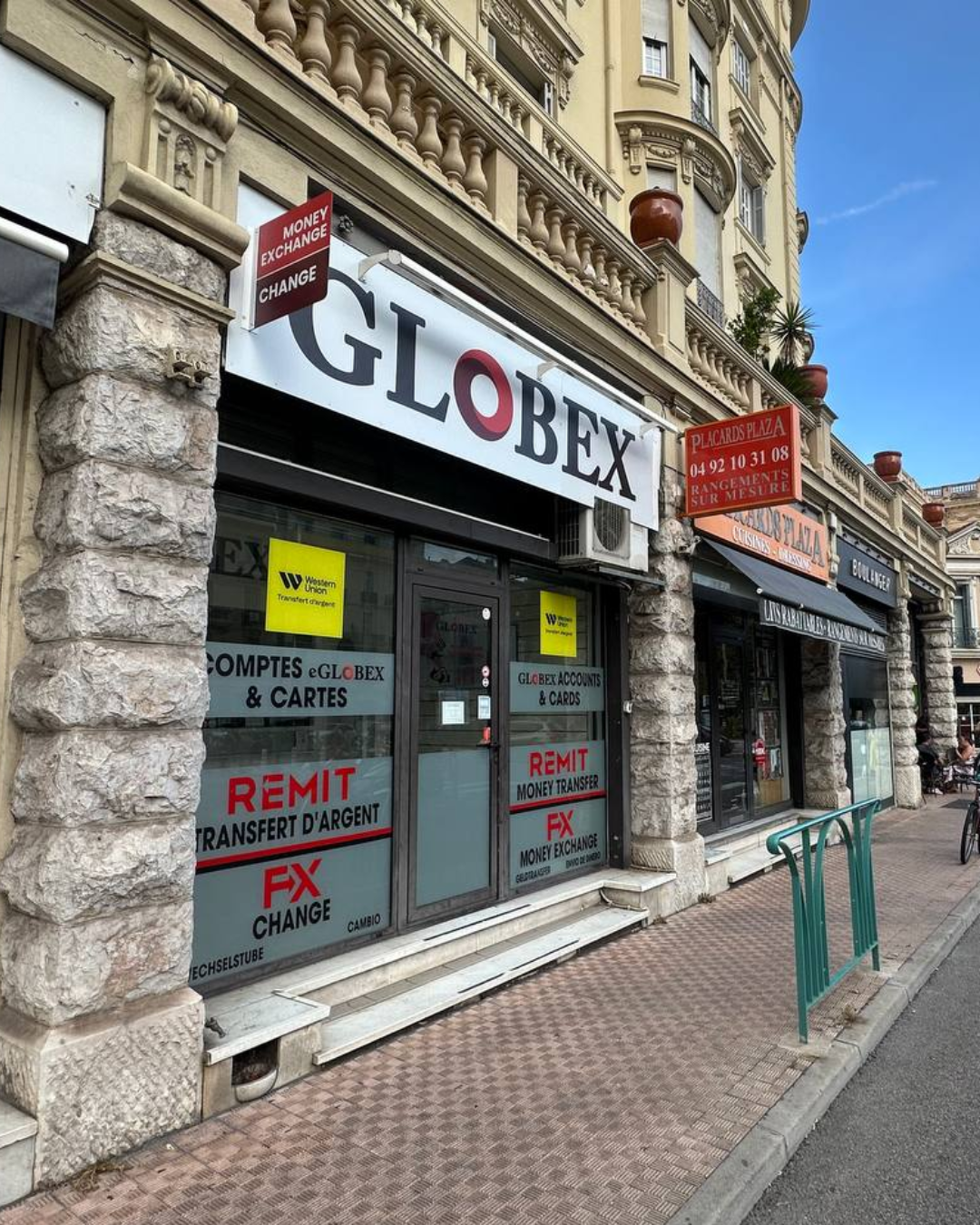
Globex in the heart of Menton.
Your Content Goes Here
References
Côte d’Azur France Tourisme. (2024). Tourism key figures: 2024 edition. Regional Tourism Committee. Retrieved from https://cotedazurfrance.fr/app/uploads/cotedazur-france/2024/06/05240219_CRT_ChiffresCles_150x150mm_UK_planches.pdf
Mejjad, N., Rovere, A., & Mhammdi, N. (2022). Sustainable tourism challenges in the Mediterranean coastal zones. Journal of Coastal Research, 38(2), 245–259.
Météo France. (2025). Climatological data and sunshine hours for the Alpes-Maritimes region. Paris, France: Météo France.
Provence-Alpes-Côte d’Azur Tourism. (2025). Menton tourism: Capital of lemon. Regional Tourist Board Official Website. Retrieved from https://provence-alpes-cotedazur.com/en/get-inspired/towns/alpes-maritimes/menton/
Tourism Observatory. (2024). Historical coastal towns and the threat of saturation in the Mediterranean region. Sustainability, 16(10), 4080.