Bulgarian Lev: A Roaring Legacy & Its Euro Future
A Brief History with Roar
Lion of a Name: The word lev (лев) literally means “lion” in old Bulgarian: symbolic of strength and resilience. It echoes ancient coinage and heroic folklore.
Born in 1881, pegged initially to the French franc, the Lev has a colorful numismatic journey, from gold-backed notes to Communist-era redesigns.
Modern Stability: In 1999, Bulgaria redenominated the Lev (1000 old Leva = 1 BGN) and pegged it to the Euro at 1.95583 Leva per €1, a rate held stable ever since.

Spot the Faces: Fun Facts
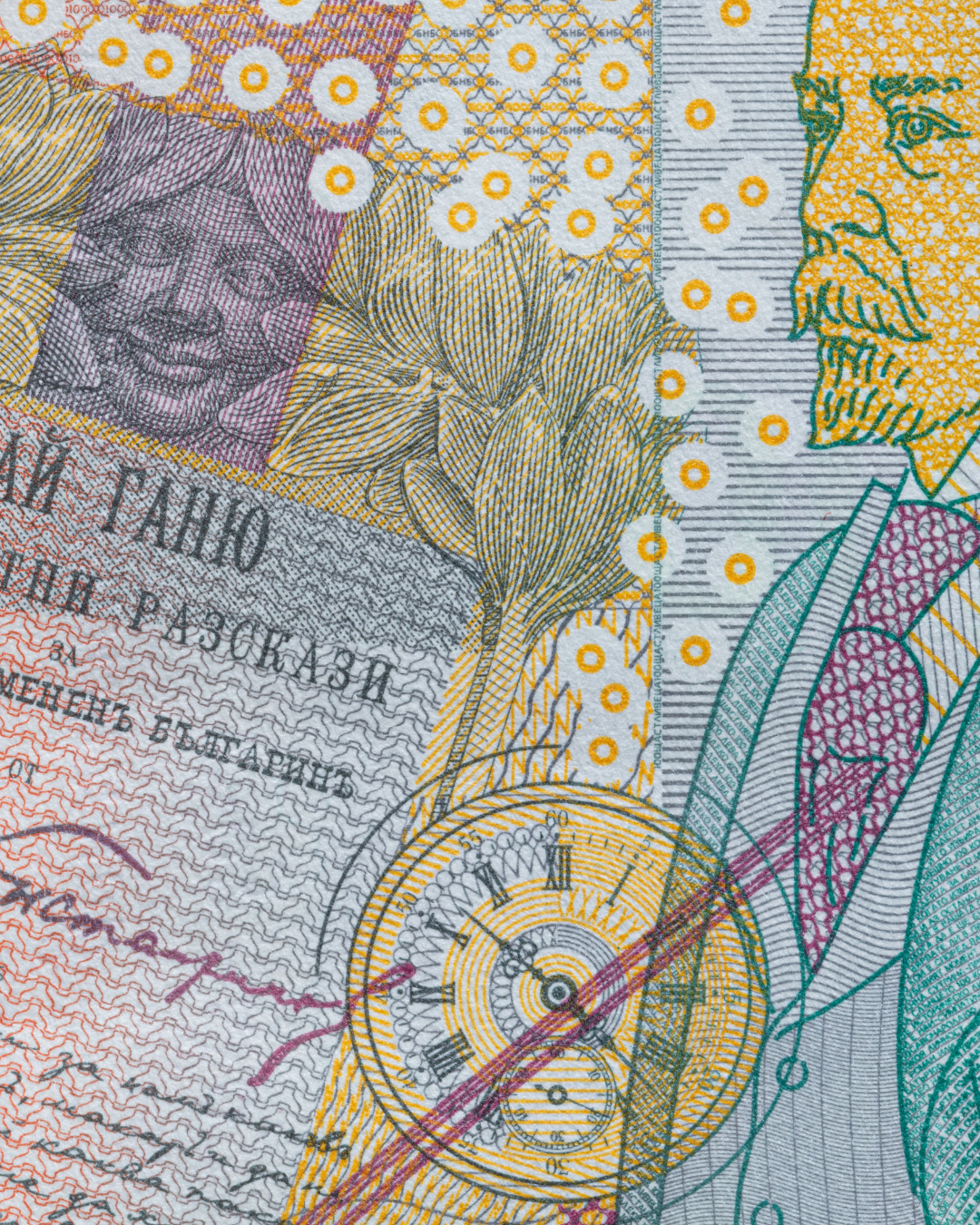
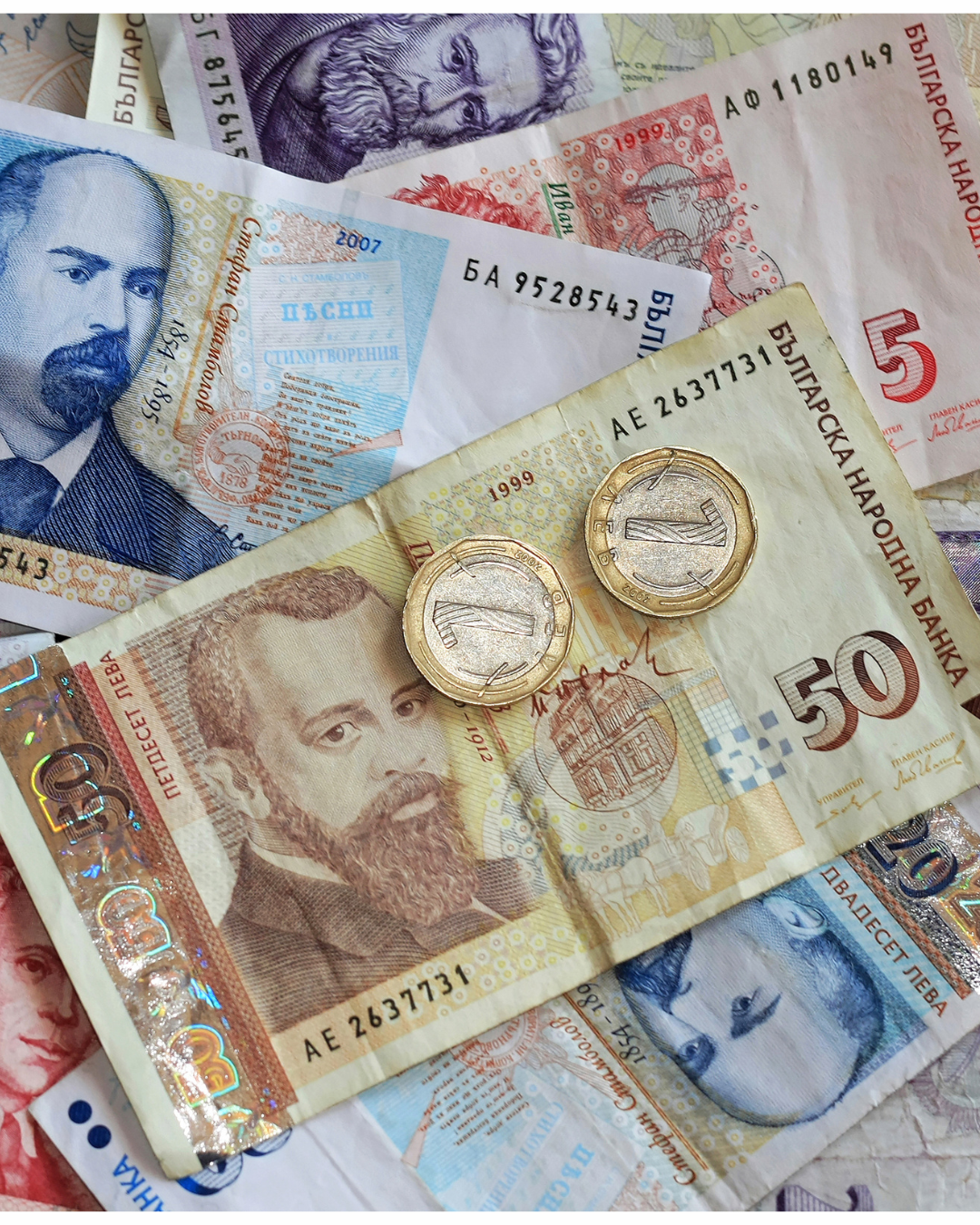
All Lev coins and notes feature prominent Bulgarians or heritage landmarks:
- 1 Lev – Saint John of Rila
- 2 Leva – Paisius of Hilendar (Revival-era monk)
- 10 Leva – Dr. Petar Beron (education pioneer)
- 100 Leva – Aleko Konstantinov (celebrated writer)
Tiny Stotinki: Coins often show UNESCO World Heritage sites or national symbols, not just monetary value!
Countdown to 1 January 2026
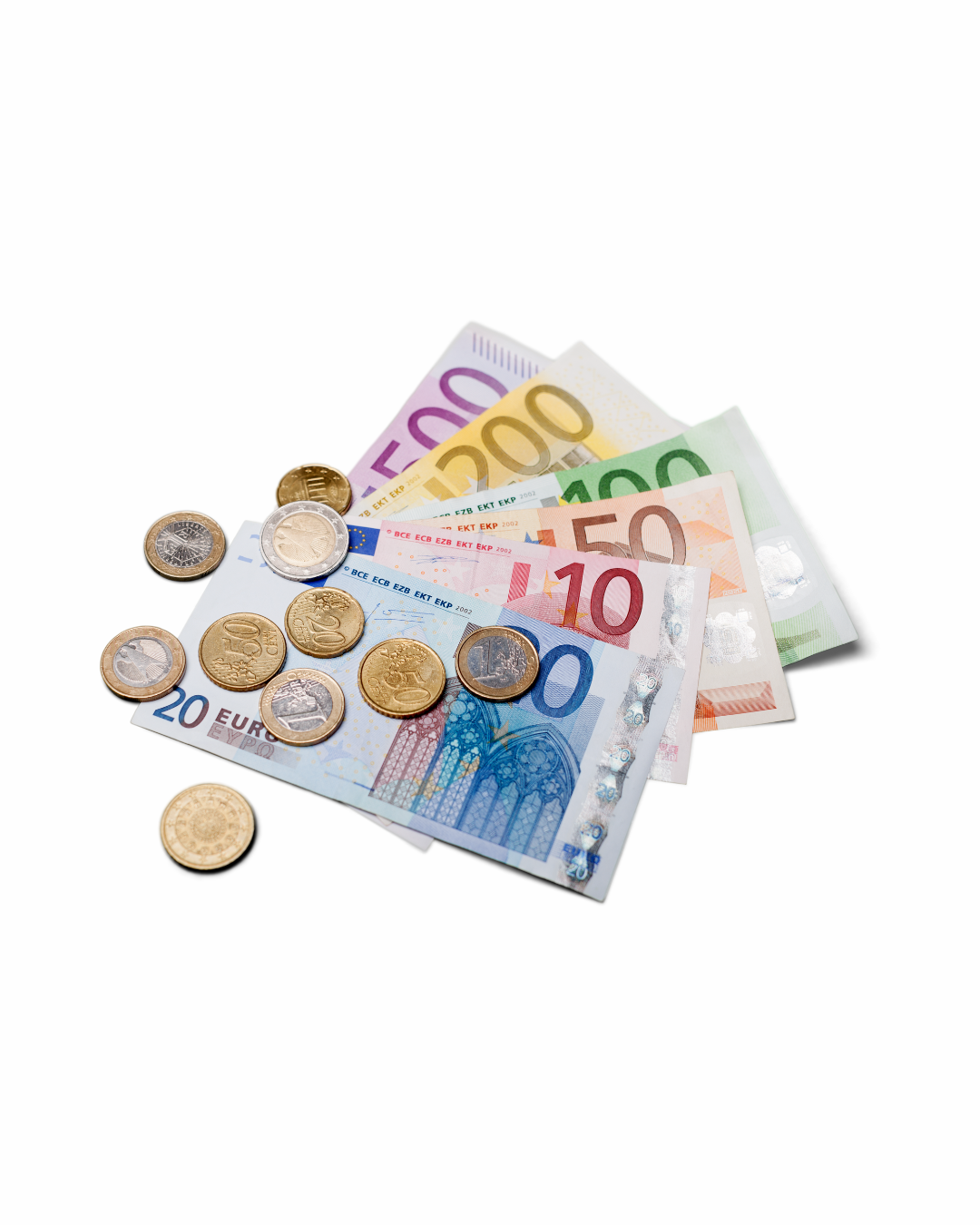
Bulgaria will officially adopt the Euro on 1 January 2026, becoming the 21st member of the Eurozone. Leva and Euros will circulate side-by-side until the end of that month. After that, the Lev ceases to be legal tender.
What It Means for Bulgaria
Pros:
- Easier travel & trade: No more currency exchange hassle for businesses or tourists.
- Investment boost: Businesses say simpler monetary integration will attract growth.
- Eurozone representation: Bulgaria gains a seat at the European Central Bank’s table.
Concerns:
- Half of Bulgarians skeptical: Angst around possible inflation, cost-of-living hikes, and loss of economic autonomy.
Reuters - Political unrest: Euro opponents staged protests citing threats to national identity and overreliance on EU institutions.
- After Croatia’s Euro Adoption: Bulgaria could face similar inflationary pressures, though early signs suggest the impact could be mild.