The New Balance:
Why Overconsumption is Out, Conscious Spending is In, and Remittances Remain Constant
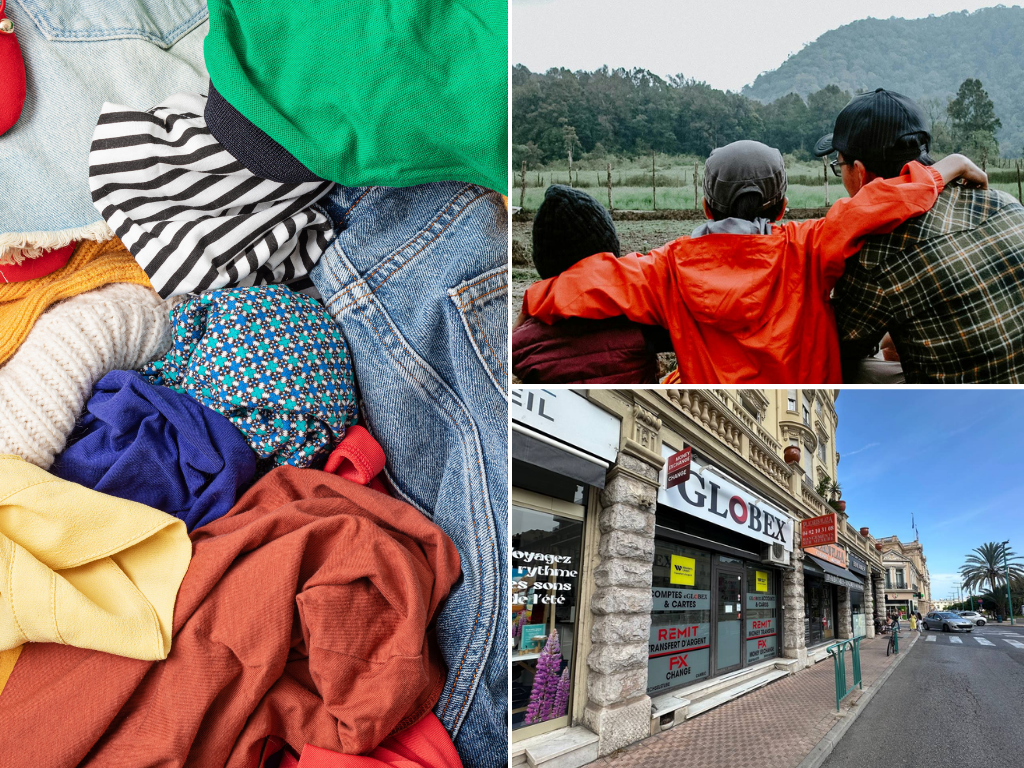
In the era of the “viral haul” and “one-click” gratification, a quiet revolution is taking place in the global psyche. The once-glamorized culture of overconsumption is increasingly being viewed as a relic of the past, replaced by a growing wave of self-awareness and intentionality. Driven by both environmental necessity and a psychological shift toward well-being, consumers are moving away from “conspicuous consumption”—a term famously coined by Thorstein Veblen—toward what scholars now call mindful consumption.
THE DECLINE OF THE “MORE IS MORE” MINDSET
The shift is backed by staggering statistics. Recent research highlights that roughly 40% of fashion items purchased are never used, representing a significant waste of resources and capital (Maiti, 2025). This “unmindful” overconsumption has been linked to lower levels of life satisfaction and increased psychological distress, such as anxiety and depression (Qureshi et al., 2024). As a result, “anti-consumption”—the intentional avoidance or reduction of consumption—has moved from a fringe activist movement to a mainstream lifestyle choice.
According to Lee (2022), anti-consumption is no longer just about “buying less”; it is a transformative process of self-identity construction. Consumers are now seeking to align their spending with their core values, using “rejection, reduction, and reuse” as tools to regain control over their lives (Emerald Publishing, 2024).
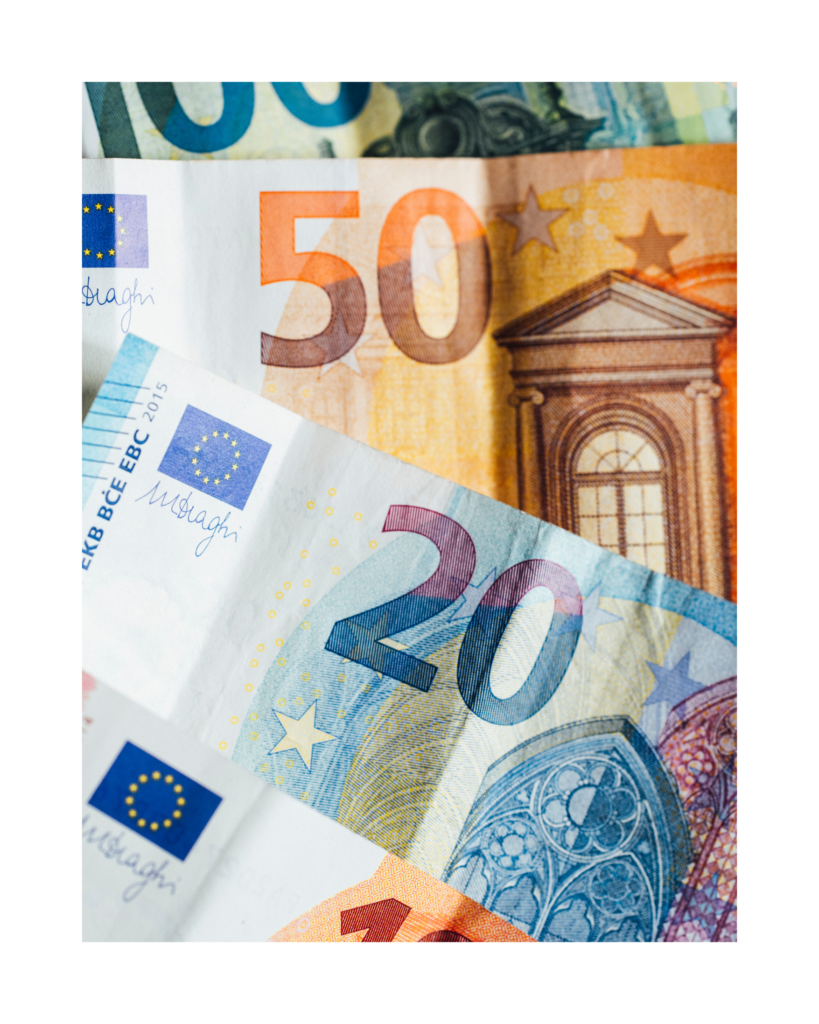

The Resilience of giving back: Why Remittances Stay Constant
While discretionary spending on materialistic goods fluctuates with economic trends and social “vibes,” one form of spending remains remarkably stable: remittances.
Remittances—money sent by migrants to their home countries—reached an estimated $656 billion in 2023 (World Bank, 2024). Unlike materialistic spending, which is often ego-driven and cyclical, remittances are “counter-cyclical.” This means they often stay constant or even increase during economic downturns because they are rooted in altruism and consumption smoothing (Bayangos & Luba, 2025).
Academic research indicates that because remittances are used for “non-materialistic” essentials—such as food, education, and medical expenses—they are shielded from the volatility of consumer trends (World Bank, 2024).
For instance, in the Philippines, over 96% of recipient households prioritize food and household needs over consumer durables (Bayangos & Luba, 2025). This highlights a fundamental truth: spending that serves a collective, pro-social purpose (caring for others) is inherently more resilient than spending that serves the individual ego.
The New Bottom Line: Self-Awareness
The growth of self-awareness in spending represents a shift from external validation to internal satisfaction. Mindful consumption focuses on three core pillars: awareness of a product’s impact, caring for the community and environment, and temperance in one’s habits (Sheth et al., 2011).
As we move forward, the “trend” isn’t a new product; it’s a new perspective. Whether it is a Gen Z consumer “de-influencing” their followers or a migrant worker sending home a lifeline, the global economy is beginning to favor value over volume. In 2024 and beyond, the most fashionable thing you can own is a clear conscience and a mindful bank statement.

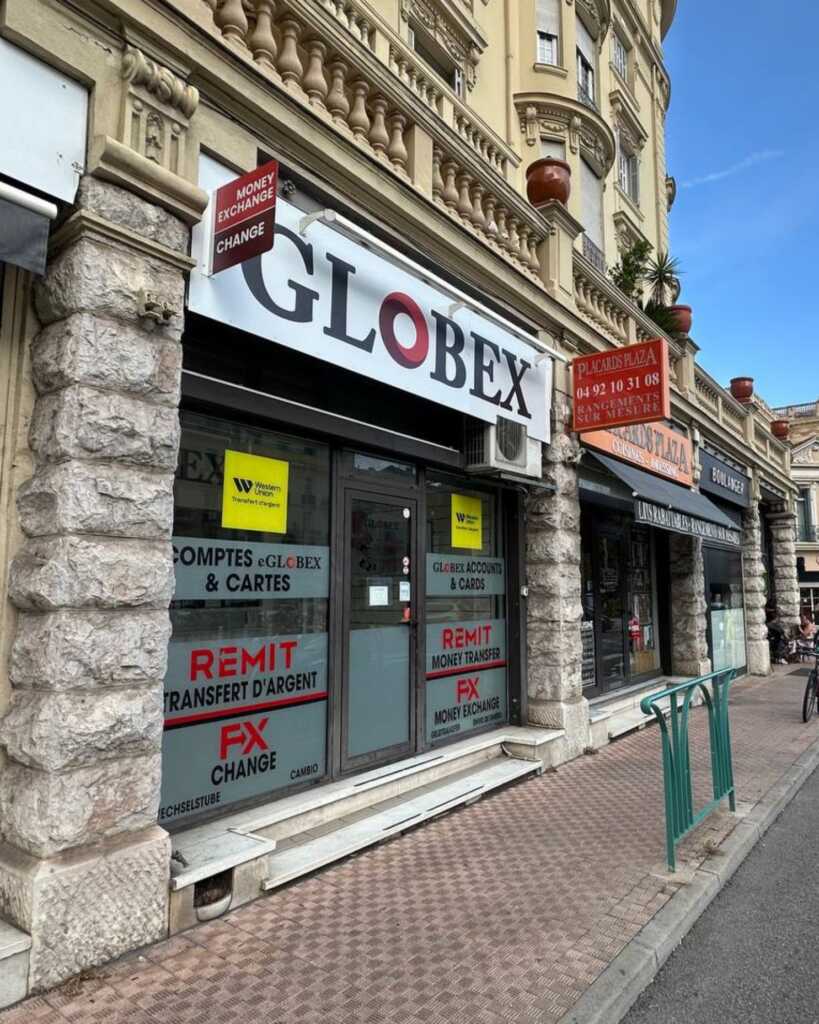
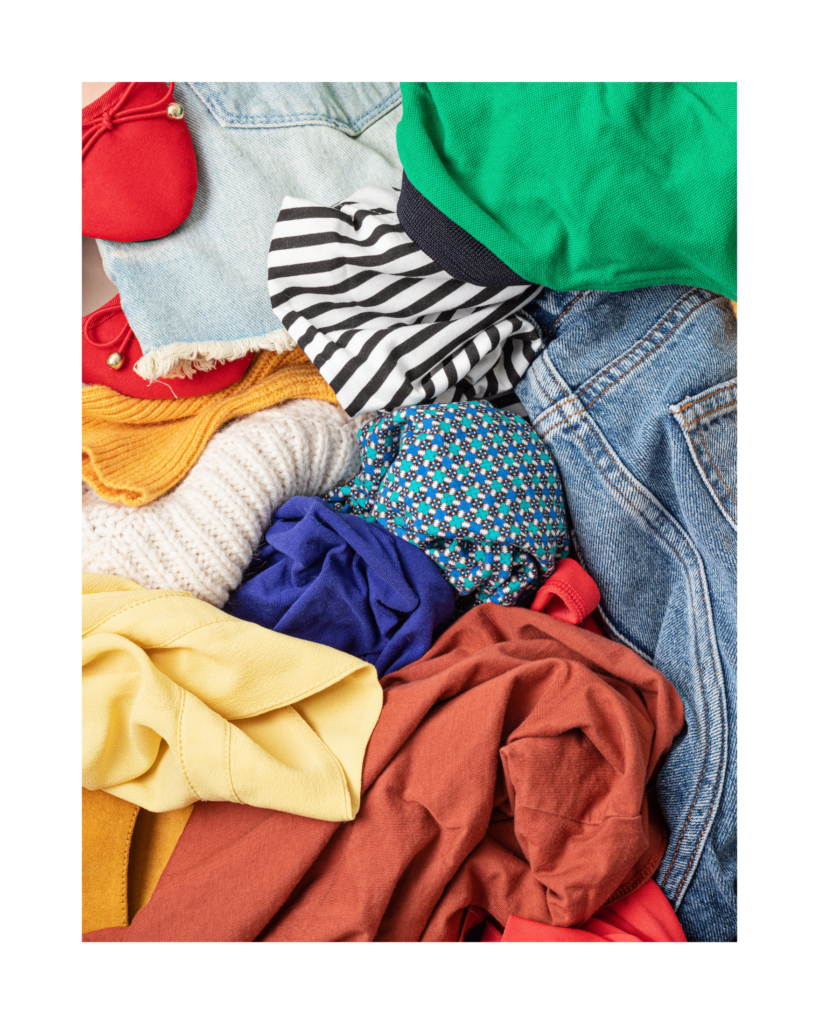
globex remit: supplying the demand
For those living in the South of France and balancing a minimalist lifestyle with the steadfast duty of supporting family abroad, Globex branches serve as a critical physical link in the global financial chain.
Operating five key locations across the French Riviera—including Nice Ville, Nice Riquier, Antibes, Beausoleil, and Menton—these branches facilitate secure money remittances as official agents for trusted providers like Western Union and Monty Global Payments.
By offering multilingual in-person support and the ability to handle cash-to-cash transfers, Globex ensures that even as local spending habits become more “conscious” and digital, the vital flow of international support remains uninterrupted and reliable.
References
- Bayangos, V. B., & Luba, C. K. (2025). Do remittances boost household spending: New evidence from migrants’ household survey. Bangko Sentral ng Pilipinas / CEMLA.
- Lee, M. S. (2022). Anti-consumption research: A foundational and contemporary overview. Current Opinion in Psychology, 45, 101319. https://doi.org/10.1016/j.copsyc.2022.101319
- Maiti, R. (2025). The environmental and social impact of the fashion industry. Cited in Diva-Portal research on mindful consumption.
- Qureshi, A., et al. (2024). The impact of intrinsic motivation on mental well-being and consumer behavior. Journal of Consumer Research (as cited in MDPI).
- Ratha, D., Chandra, V., Kim, E. J., Mahmood, A., & Plaza, S. (2024). Remittances slowed in 2023, expected to grow faster in 2024. World Bank Group / KNOMAD.
- Sheth, J. N., Sethia, N. K., & Srinivas, S. (2011). Mindful consumption: A customer-centric approach to sustainability. Journal of the Academy of Marketing Science, 39(1), 21-39.
- World Bank. (2024). Migration and development brief 40. World Bank Washington, D.C.