La Résistance Fiduciaire:
Why Cash Refuses to Die in France
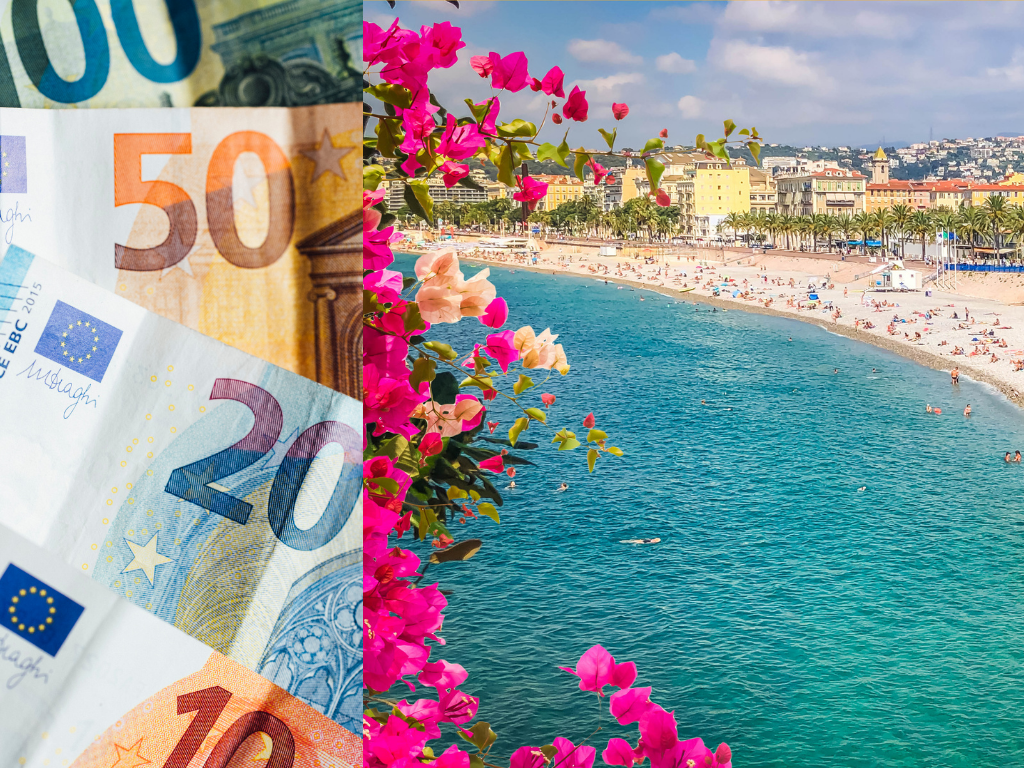
In an era dominated by smartphone wallets, contactless debit cards, and seamless digital bank transfers, it is easy to assume that physical money is on its deathbed. Walking through the streets of Nice or Antibes, one will observe digital tap-to-pay terminals in almost every café and boutique. Yet, beneath this sleek veneer of absolute digitization lies a surprising truth: cash is still robustly alive and kicking in France.
While the broader European landscape continues to push forward with financial technology, French consumer habits reveal a deeply rooted attachment to coins and banknotes. This resilience is not merely a product of stubborn tradition; rather, rigorous empirical academic research demonstrates that specific economic transactions, psychological habits, and consumer demographics actively keep cash alive in the French market.
The Power of “Le Petit Achat” (The Small Purchase)
The single most powerful predictor of whether a French consumer will pull out a piece of plastic or a physical banknote is transaction size.
Academic studies utilizing comprehensive payment diaries have repeatedly highlighted a stark “specialization effect” based on transaction characteristics (Bounie & Francois, 2006). While debit cards are the undisputed masters of large retail transactions, cash remains the absolute ruler of low-value purchases, such as buying a daily baguette from the local boulangerie or grabbing a morning espresso (Bounie & Francois, 2006).
Furthermore, international comparative data shows that French consumers tend to have a highly concentrated use of cash specifically tailored for these micro-transactions (Bagnall et al., 2014).
In fact, economic models mapping cash management reveal a psychological phenomenon known as the “Cash First” rule (Arango, Bouhdaoui, Bounie, Eschelbach, & Hernández, 2016). When French citizens have physical currency on hand in their wallets, they display a significant behavioral propensity to burn through that cash for minor, day-to-day shopping expenses rather than switching to electronic instruments (Arango et al., 2016).
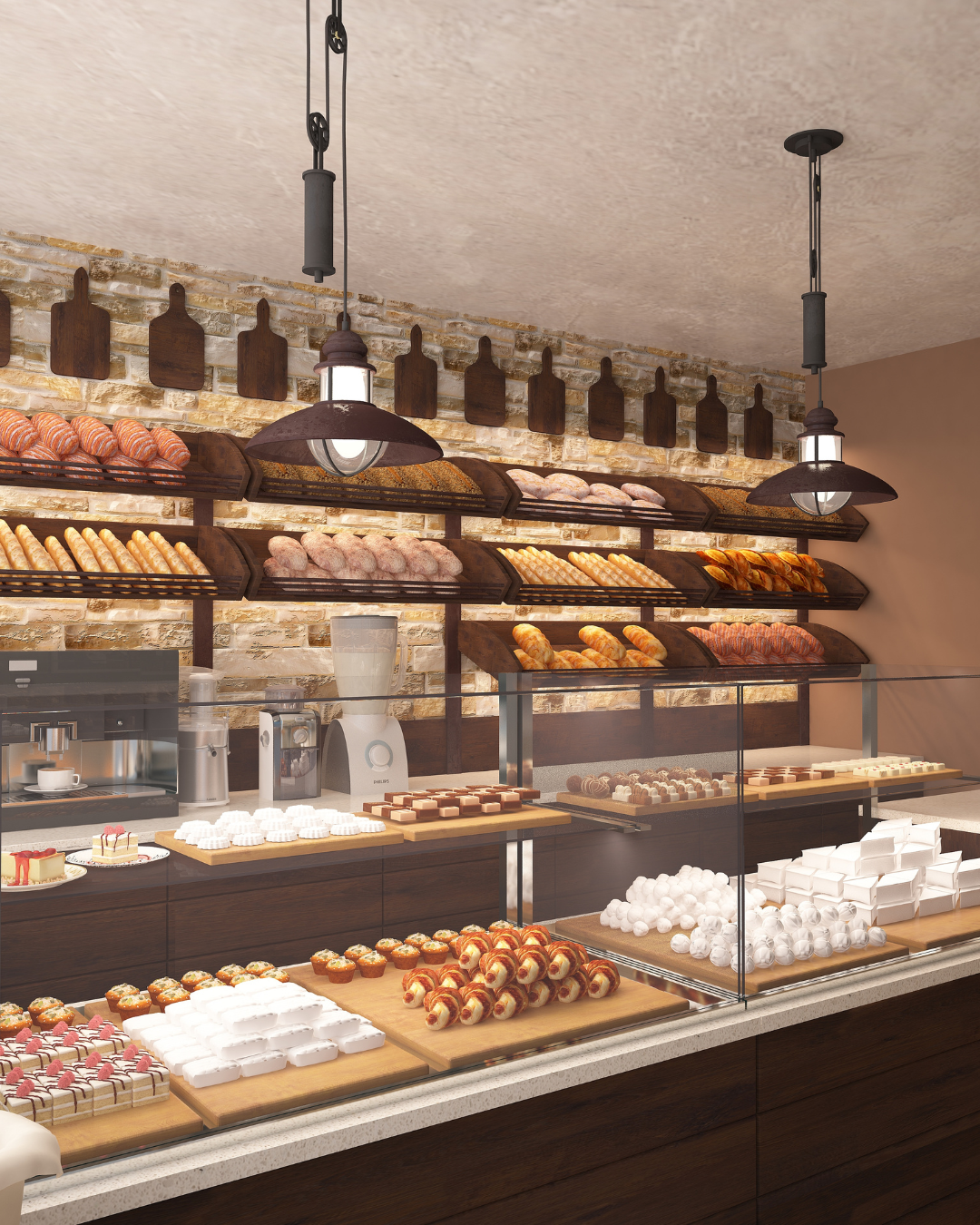
“Les petits achats”, an authentic French experience:
Grabbing a Single Croissant or Espresso at any Boulangerie!
Hunting for Antiques at a Weekend brocante!

Buying Fresh Produce at Open-Air Morning Marchés!

Who is Keeping Cash Alive?
Beyond the characteristics of the transaction itself, the demographic makeup of French society plays a vital role in its preservation. Research across the Eurozone confirms that cash usage is heavily correlated with age, income, and educational levels (Meyer & Teppa, 2023). In France, older generations and individuals within lower-income cohorts display a much stronger reliance on physical money (Bagnall et al., 2014). For many of these consumers, cash acts as a crucial, tangible tool for strict budgeting and real-time spending awareness.
Interestingly, this preference is not always entirely voluntary. Supply-side constraints—such as merchants imposing minimum spend thresholds for card payments or outright lacking card infrastructure in everyday situations—continue to play a notable role in forcing consumers to rely on cash (Meyer & Teppa, 2023).


Trust, Privacy, and Macroeconomic Uncertainty
On a broader scale, systemic macroeconomic trends ensure that cash retains its safe-haven status.
Empirical investigations into European payment trends demonstrate that cash demand is tightly bound to consumer confidence and technological environments (Titova, Cornea, & Lemeunier, 2021). Interestingly, across advanced EU economies like France, a dip in consumer confidence or an increase in perceived economic instability is often met with a dramatic surge in cash usage and hoarding, reflecting an intuitive reaction to heightened uncertainty (Titova et al., 2021).
Physical currency offers an immediate, anonymous settlement mechanism that completely protects consumer privacy and functions independently of digital banking infrastructure failures.
France may be charging forward into a digital future, but a fully cashless society remains a distant mirage. Thanks to the convenience of micro-transactions, a psychological desire for budgeting control, and the unmatched privacy of a physical banknote, cash continues to play an irreplaceable role in France. Long live l’argent liquide!
How Globex supports Cash in France
Recognizing this geographic demand, physical financial networks have stepped in to bridge the digital-to-physical gap. For instance, Globex, a financial services provider, has strategically optimized their branch networks across the region, offering dedicated currency exchange services at all of their physical locations.
By ensuring widespread access to physical EUROs, such networks play a critical role in helping tourists navigate France’s resilient cash ecosystem, allowing them to seamlessly participate in the micro-transactions that define the authentic French lifestyle.
Globex has 5 physical locations offering Money Transferring and Money Exchange services accross the South of France:
22 Avenue Robert Soleau, 06600 Antibes, France
13 Boulevard de la République, 06240 Beausoleil, France
12 Avenue Boyer, 06500 Menton, France
31 Rue d’Angleterre, 06000 Nice, France
22 Boulevard Pierre Sola, 06300 Nice, France
Find out more information about all our branches at: globexfrance.com
Find us in the heart of Nice, France.
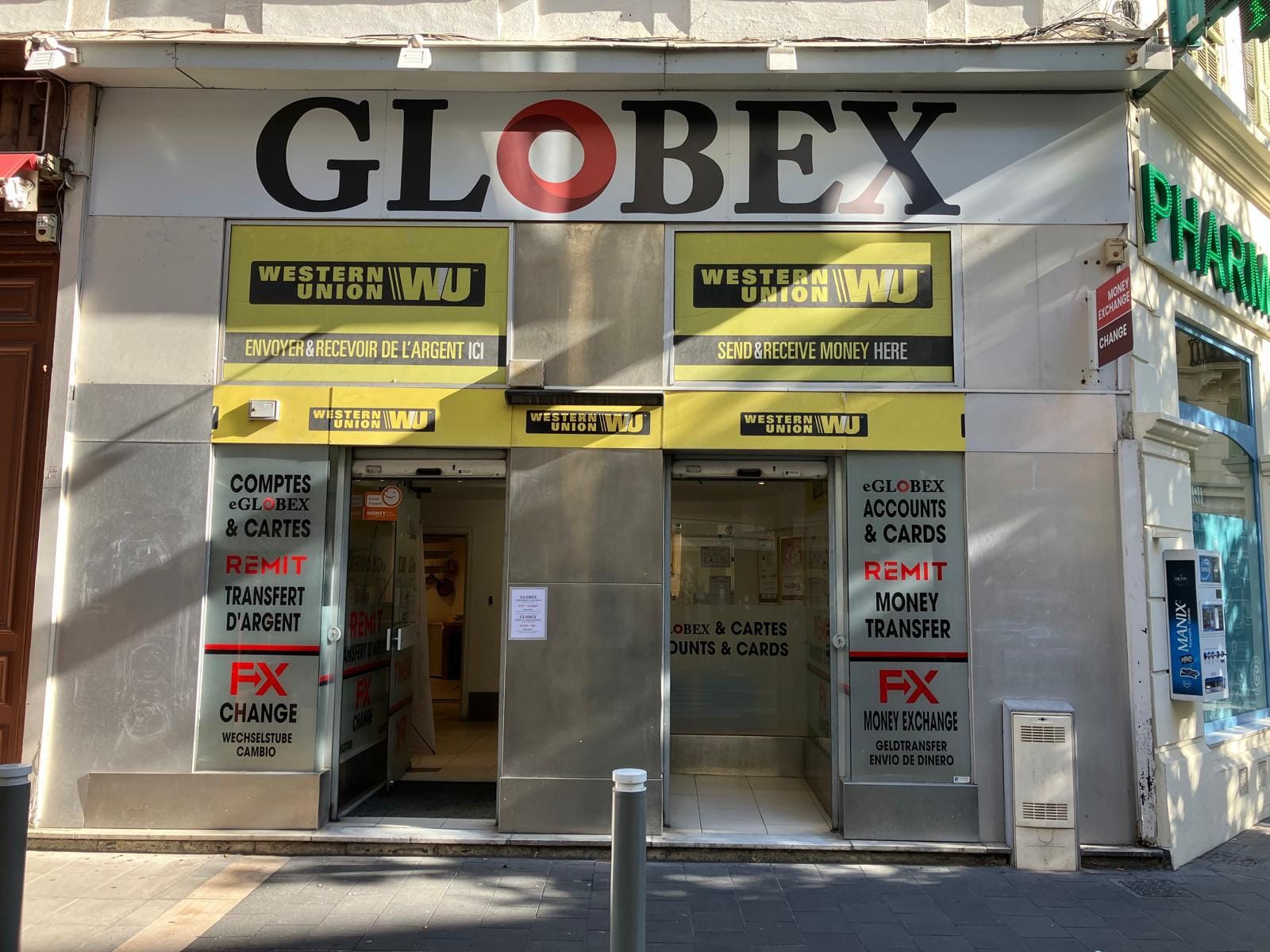
Address: 31 Rue d’Angleterre, 06000 Nice, France
Find us in the heart of Menton, France.
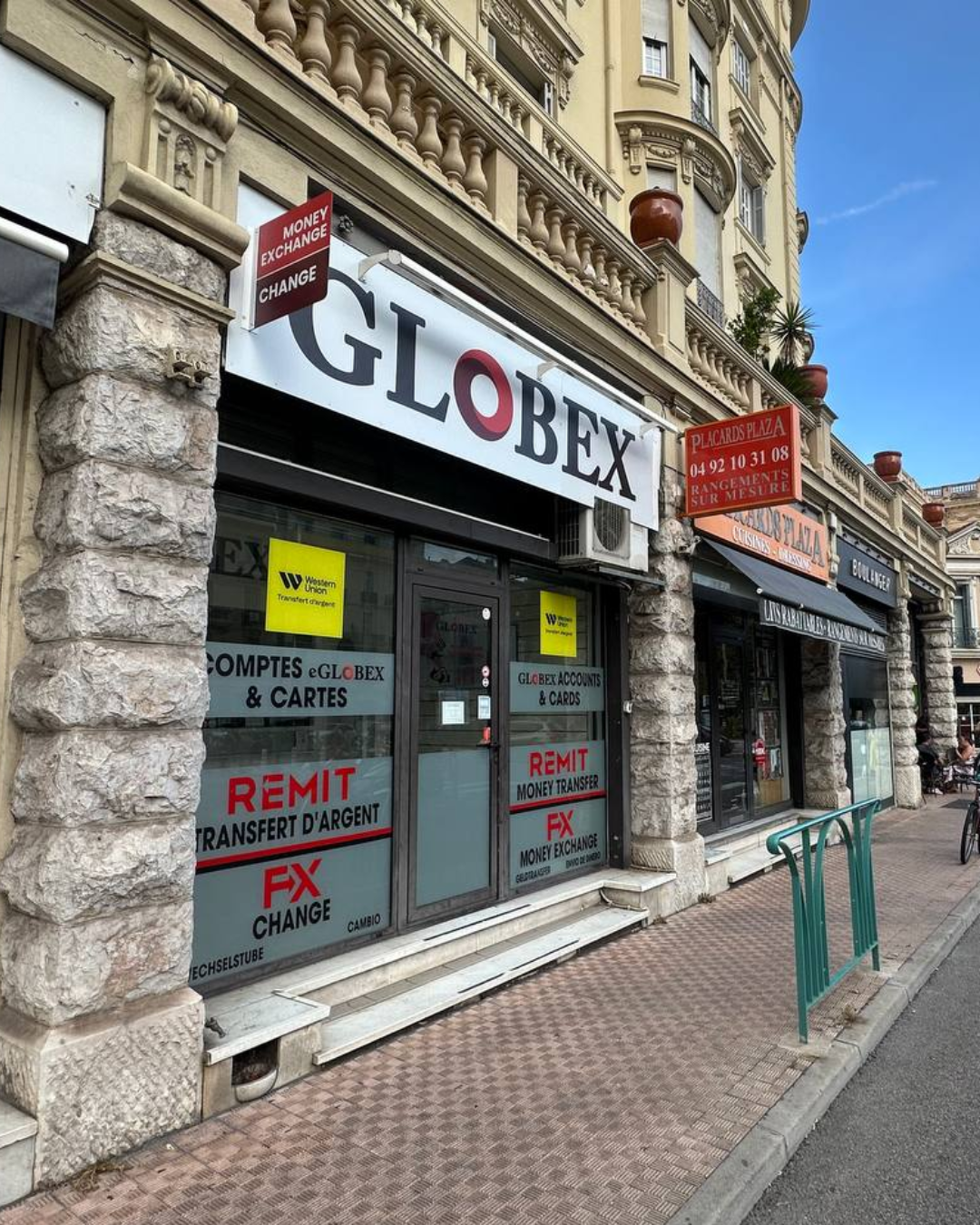
Address: 12 Avenue Boyer, 06500 Menton, France
Boasting 11+ years of experience since its founding in 2014, this licensed and trusted financial service provider delivers top-tier reliability across its five strategically placed branches in Nice Ville, Nice Riquier, Antibes, Menton, and Beausoleil.
With over 40+ currencies available—covering everything from major world currencies like the US Dollar and British Pound to more exotic legal tender.
References
References
Arango, C. A., Bouhdaoui, Y., Bounie, D., Eschelbach, M., & Hernández, L. (2016). Cash management and payment choices: A simulation model with international comparisons. SSRN Electronic Journal. https://doi.org/10.2139/ssrn.2717321 Cited by: 33
Bagnall, J., Bounie, D., Huynh, K. P., Kosse, A., Schmidt, T., Schuh, S., & Stix, H. (2014). Consumer cash usage: A cross-country comparison with payment diary survey data. SSRN Electronic Journal. https://doi.org/10.2139/ssrn.2436365 Cited by: 440
Bounie, D., & Francois, A. (2006). Cash, check or bank card? The effects of transaction characteristics on the use of payment instruments. SSRN Electronic Journal. https://doi.org/10.2139/ssrn.891791 Cited by: 159
Meyer, J., & Teppa, F. (2023). Euro area consumers’ payment behaviour and banking digitalisation. SSRN Electronic Journal. https://doi.org/10.2139/ssrn.4396347 Cited by: 3
Titova, Y., Cornea, D., & Lemeunier, S. (2021). What factors keep cash alive in the European Union? De Economist, 169, 291-317. https://doi.org/10.1007/s10645-021-09384-3 Cited by: 19