Why Exchange Rates Change Daily and What Travelers Should Know
[Disclaimer: This article is intended for educational and informational purposes only. The information provided should not be considered financial, investment, tax, legal, or travel advice. Exchange rates, regulations, fees, and travel requirements may change over time. Readers are encouraged to consult official government sources, financial institutions, and qualified professionals before making any financial or travel-related decisions.]
If you’ve ever checked the exchange rate before a trip and noticed it changed the next day, you’re not alone. Currency values move constantly, sometimes by small amounts and sometimes by more significant margins. While these fluctuations may seem random, they are actually influenced by a range of economic and global factors.
For travelers, understanding why exchange rates change can help with budgeting, timing currency exchanges, and getting better value from their money before arriving in France.
What Is an Exchange Rate?
An exchange rate is the value of one currency compared to another. It determines how much foreign currency you receive when exchanging your money.
For example, if you are exchanging US dollars, British pounds, or Philippine pesos into euros, the rate will determine how many euros you receive for the amount exchanged. Because currencies are traded globally every day, their values are constantly adjusting.
Why Do Exchange Rates Change?
Several factors influence exchange rates around the world.
Economic Performance
Exchange rates can be influenced by factors such as inflation, interest rates, economic performance, and investor expectations. When economic growth is steady and businesses are performing well, investors tend to have more confidence in that country’s financial outlook.
Factors that can influence currency strength include:
- Economic growth
- Employment levels
- Consumer spending
- Inflation rates
When confidence increases, demand for that currency often rises as well.
Interest Rates
Central banks use interest rates to manage inflation and economic activity. Higher interest rates can make a country’s financial assets more attractive to investors, increasing demand for its currency.
Even a small interest rate announcement can influence currency markets worldwide.
Political Events
Major political developments can create uncertainty or confidence in financial markets.
Examples include:
- National elections
- Government policy changes
- Trade negotiations
- International conflicts
When uncertainty increases, investors may move funds toward currencies they consider more stable, causing exchange rates to shift.
Supply and Demand
Currencies operate much like other markets. If demand for a currency increases, its value generally rises. If demand falls, its value may decline.
Tourism, international trade, foreign investment, and global business activity all contribute to this supply-and-demand relationship.
How Exchange Rates Affect Your Trip
Even modest changes in exchange rates can affect travel costs.
A stronger euro may mean:
- Higher accommodation costs
- More expensive dining
- Increased shopping expenses
A weaker euro may allow travelers to:
- Stretch their travel budget further
- Receive more euros for their home currency
- Spend more comfortably during their trip
For longer stays or larger exchanges, these differences can add up quickly.
Common Currency Exchange Mistakes
Many travelers unknowingly lose money through avoidable mistakes.
Exchanging Money at the Airport
Airport exchange counters offer convenience but often provide less favorable rates than dedicated exchange specialists.
Waiting Until the Last Minute
Monitoring exchange rates before departure allows travelers to make more informed decisions rather than exchanging money in a rush.
Focusing Only on the Headline Rate
A good advertised rate may not tell the whole story. Service fees and commissions can affect the final amount received.
Exchanging More Than Necessary
Some travelers choose to exchange only what they need initially and exchange additional funds later if required.
Tips for Getting Better Value
Before exchanging your money, consider the following:
- Check exchange rates before your trip
- Compare providers
- Ask about fees and commissions
- Avoid unnecessary airport exchanges
- Use trusted foreign exchange specialists
These simple steps can help you maximize the value of your travel budget.
Planning a Trip to France?
Whether you’re visiting Nice, Antibes, Menton, Beausoleil, Monaco, Cannes, or other destinations along the French Riviera, understanding exchange rates can help you manage your travel expenses more effectively.
While nobody can predict currency movements with complete accuracy, staying informed about exchange rates can help travelers make smarter decisions and get better value from their money. By planning ahead and choosing a reputable exchange provider, you can make your travel budget go further and enjoy a smoother trip.
Visit a Globex Branch for Currency Exchange and Money Transfers
If you’re traveling through the South of France and need currency exchange or international money transfer services, Globex is ready to assist.
Visit one of our conveniently located branches:
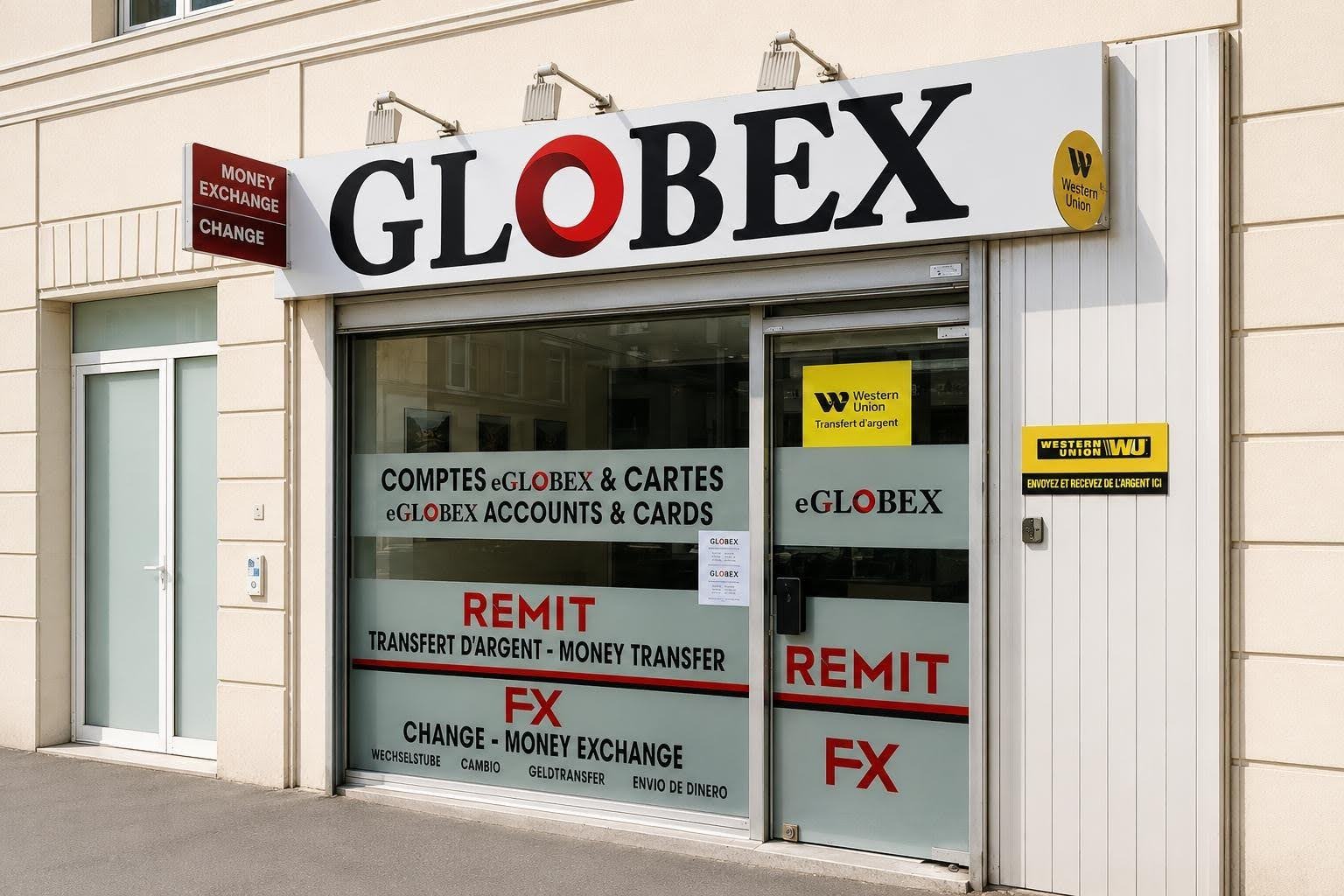
Antibes – Address: 22 Avenue Robert Soleau, 06600, Antibes, France – Phone Number: +33 4 93 65 27 34
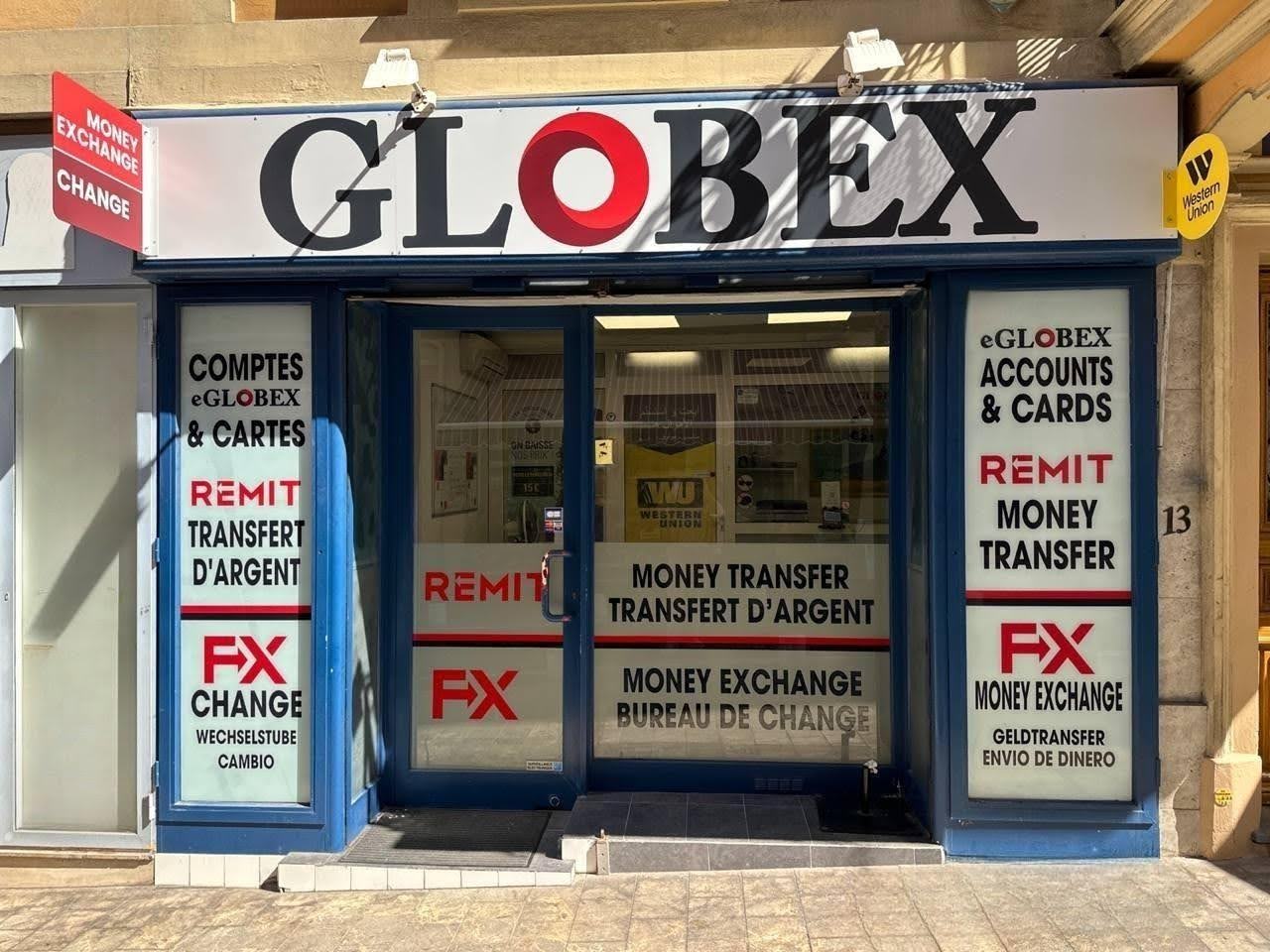
Beausoleil – Address: 13 Boulevard de la République, 06240, Beausoleil, France – Phone Number: +33 4 93 41 64 35
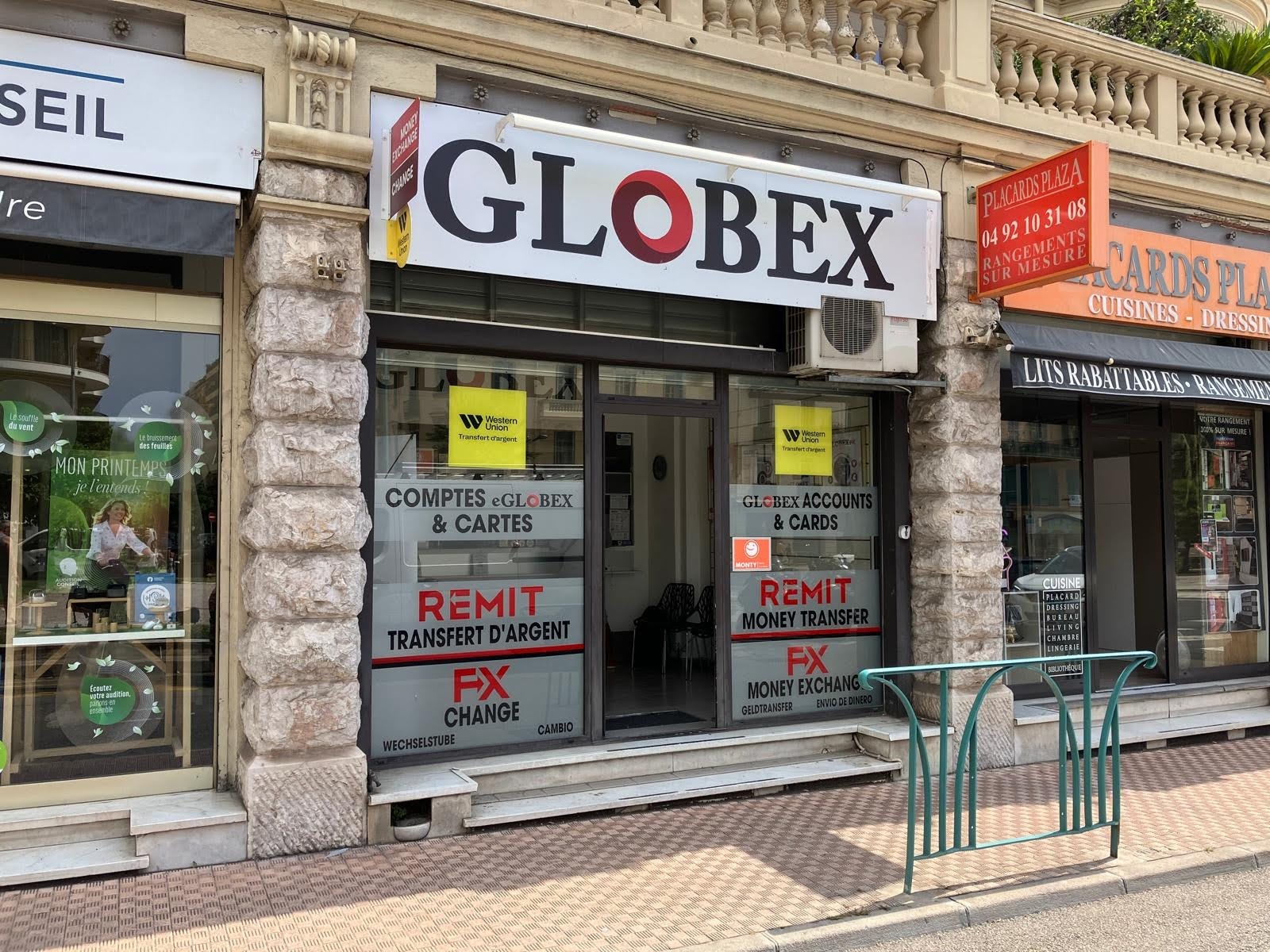
Menton – Address: 12 Avenue Boyer, 06500, Menton, France – Phone Number: +33 4 93 51 37 63
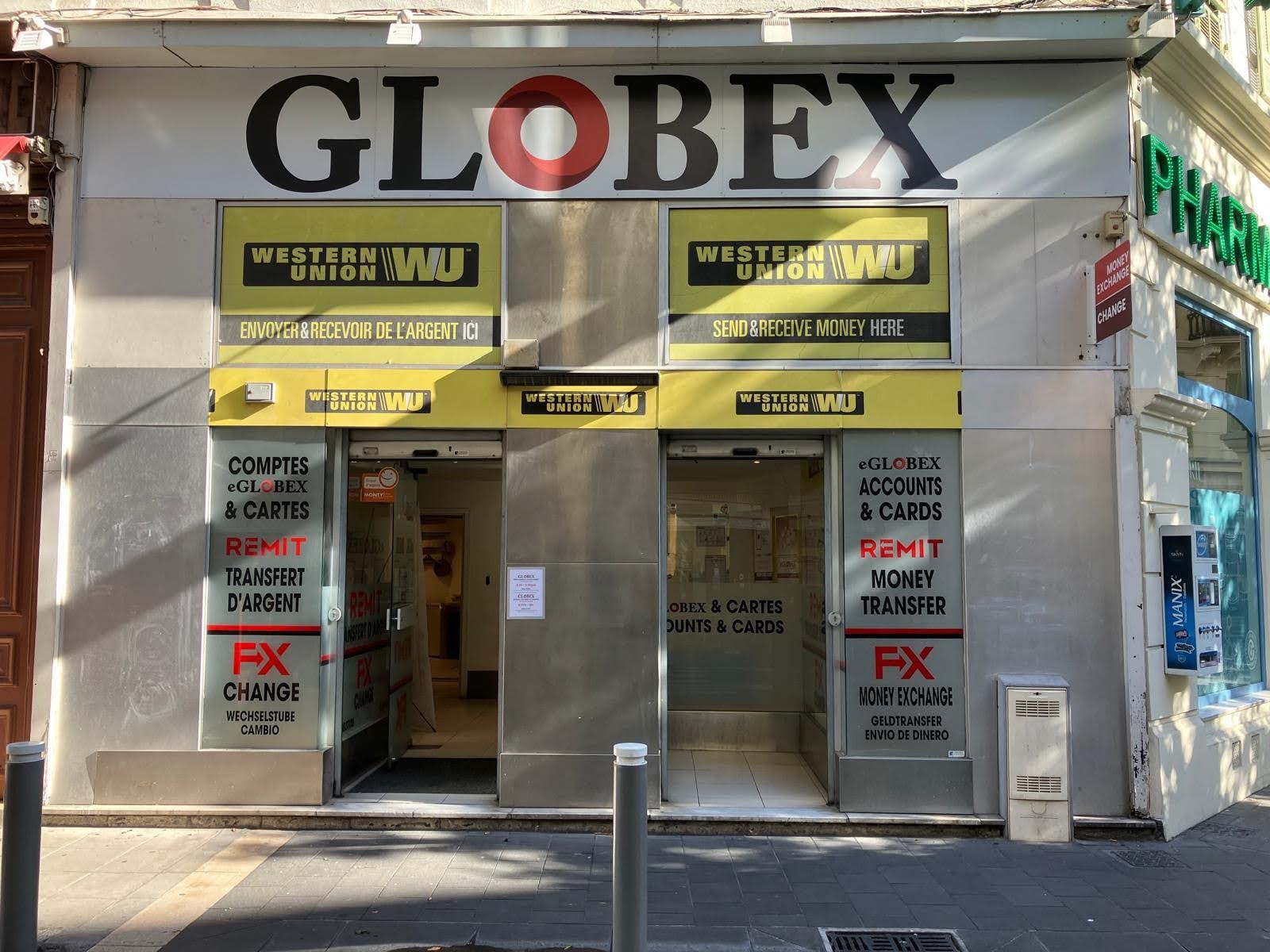
Nice Ville – Address: 31 Rue d’Angleterre, 06000, Nice, France – Phone Number: +33 4 93 81 27 79
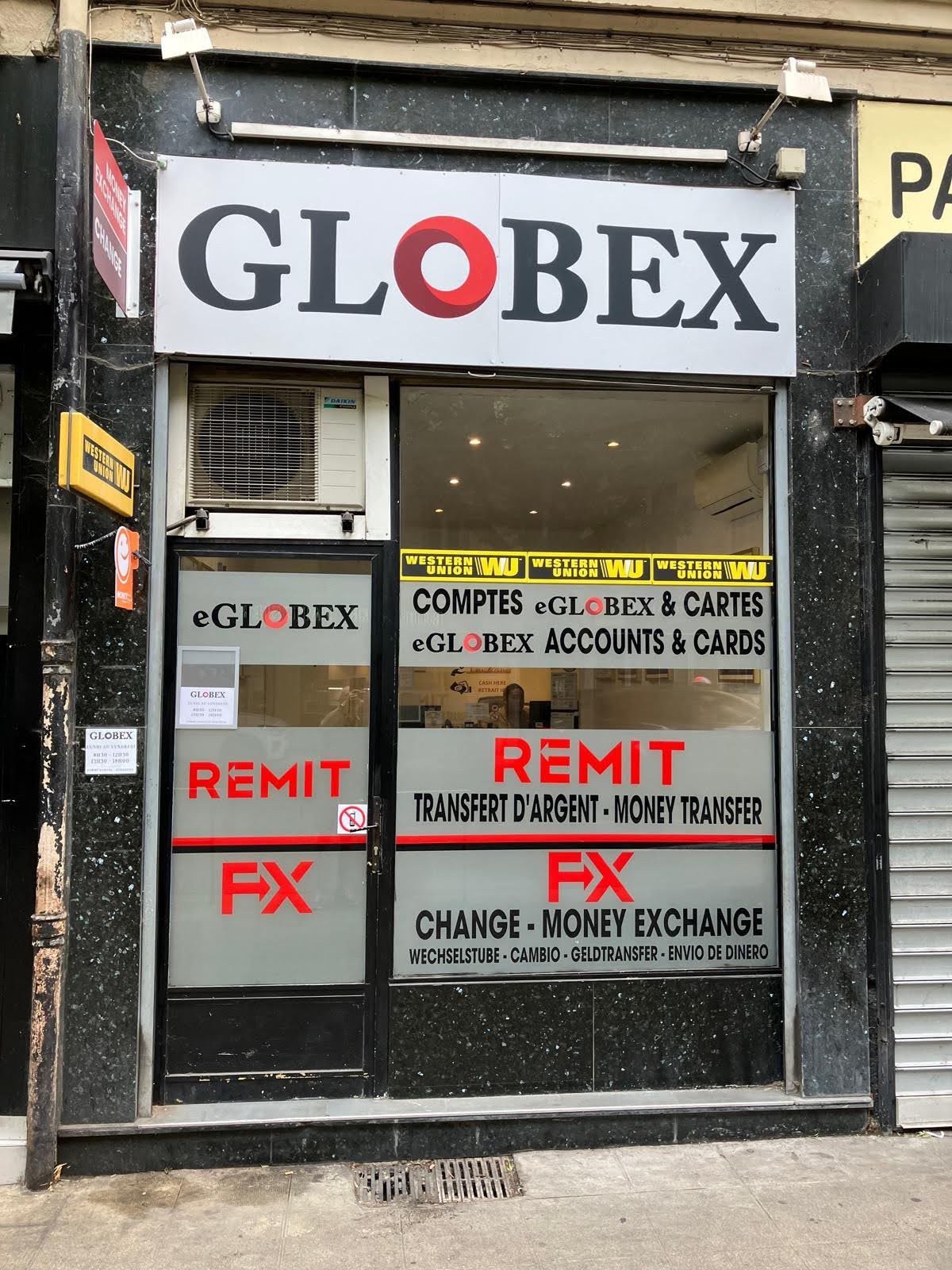
Nice Riquier – Address: 22 Boulevard Pierre Sola, 06300 Nice, France – Phone Number: +33 4 93 89 19 49