“Farewell to Vienna”:
What Wizz Air’s Exit Means for Budget-Friendly Travelers — And Your Money

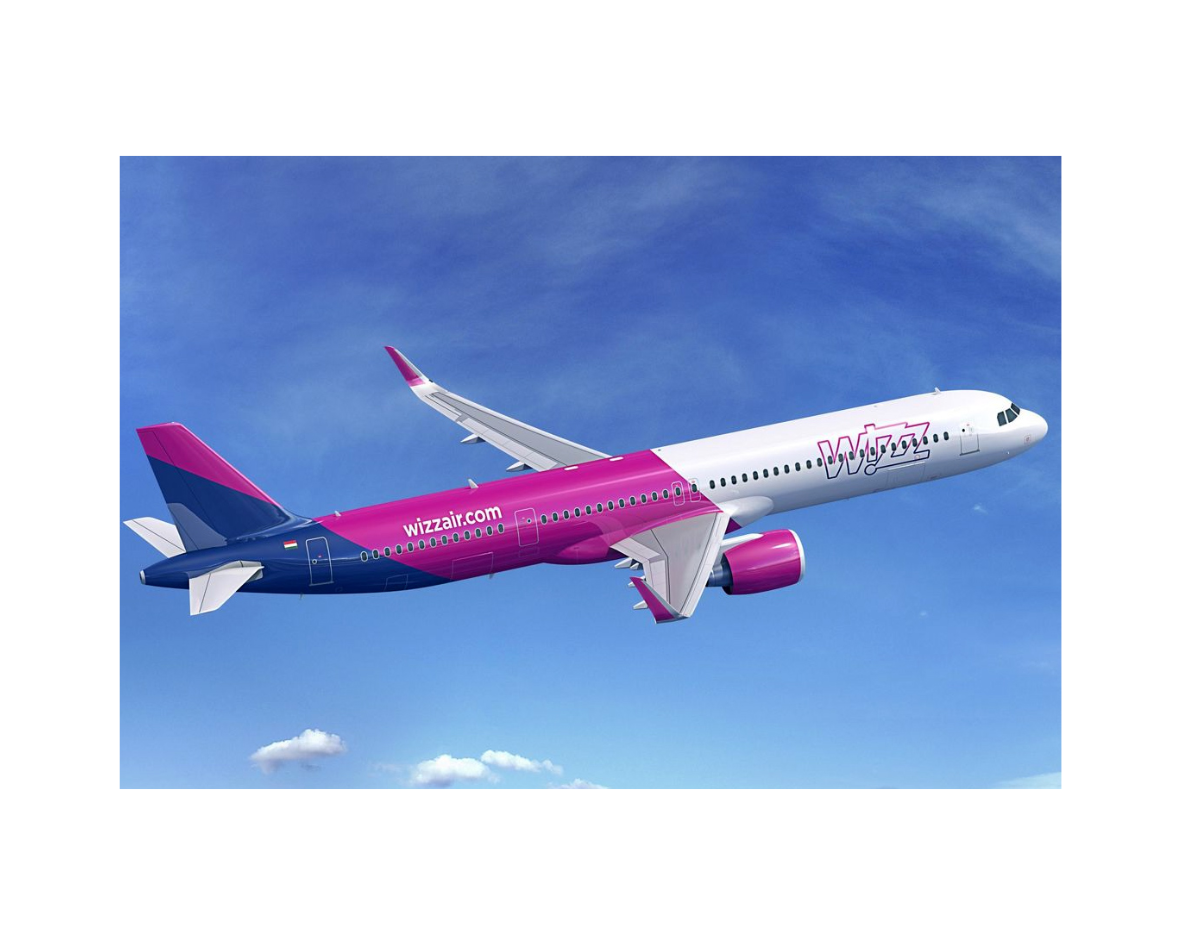
Vienna has long been a hub for budget-travel flights, thanks in part to airlines like Wizz Air. Recently, though, Wizz Air announced it will gradually close its Vienna base, withdrawing all flights from Vienna by March 15, 2026.
What does this mean if you like to travel cheaply? And, from a financial services angle, how should you plan, protect your funds, and adapt strategies to keep travel affordable?

What’s Changing? — The Facts
- Starting October 26, 2025, Wizz Air will withdraw two of its five Vienna-based aircraft, cancelling routes to Bilbao and London-Gatwick.
- By March 15, 2026, the remaining three aircraft and all other routes from Vienna will be discontinued; the Vienna base will be fully shut down.
- The airline cites rising airport fees, ground handling costs, and taxes in Vienna for making operations unsustainable under its ultra-low-cost business model.
As alternatives, Wizz Air suggests that affected travelers may use its nearby bases in Bratislava (Slovakia) and Budapest (Hungary) for some travel needs.
Implications for Budget-Friendly Travelers
From a travel-and-finance lens, this change has multiple dimensions: costs, inconvenience, risk, and opportunity. Here’s a breakdown with tips.
| Area of Impact | How You Might Feel It | What to Do About It |
| Higher travel cost |
Without Wizz’s low-fare routes, fewer budget alternatives may exist, so fares to/from Vienna could rise. Plus, flying from other airports (e.g. Bratislava, Budapest) might require extra ground transport, sometimes overnight stays, which add to the true cost. |
Compare total cost (flight + transfers) before booking. Use price alerts. Look for shuttle or bus deals. Sometimes those extra legs still make it cheaper than a direct ticket from an expensive carrier if you’re flexible. |
| Logistical hassle & time costs |
More connecting or transfer segments, maybe extra overnight stays, or more complexity in the itinerary. Every hour spent is part of the “cost” of travel. |
Plan with buffer time. Use flexible or refundable bookings for train/bus if needed. Account for travel to alternate airports. Factor in lodging or food needs if layovers require. |
| Risk of changes / cancellations |
With route withdrawals, there may be schedule changes, cancellations, or forced rerouting. That can lead to non-refundable hotel or other commitments being wasted. |
Use credit card / travel insurance protections. Book accommodations with flexible cancellation policies. Keep documentation. If flights are cancelled, assert your rights under EU regulations. |
| Opportunity for alternatives |
You may discover that flying from Bratislava or Budapest, or combining low-cost carriers in creative ways, becomes better value. It might even open up alternative destinations or new route combos. |
Keep an eye on nearby airports. Use aggregate flight search tools. Be open to multi-leg journeys. Factor in transport cost and time, but sometimes alternatives beat the “easy” direct route. |
What Budget Travelers Can Do Now? — Action Plan
- If you hold tickets on Wizz Air from Vienna for dates after the withdrawal, check whether your flight is affected. If so, request a refund in cash or back to your card, not just in vouchers. If vouchers are offered, see if there’s a bonus, but weigh whether you can actually use them.
- Start comparing alternate airports sooner, not later. Bratislava and Budapest are obvious ones; also check whether other nearby airports have transport links that make them viable.
- When booking hotels, transport, or other fixed expenses, choose those with good cancellation or change-policies.
- Build flexibility into your itinerary. If a cheaper flight requires a longer transfer, see if that’s acceptable for your travel style. Sometimes the savings are worth the extra time.
- Save a travel emergency fund. Unpredictable changes (flight cancellations, having to pay more for alternative routes) are more likely given the current environment; having a buffer helps.

Bottom Line
Wizz Air’s withdrawal from Vienna is a significant shake-up for budget travelers in Austria and beyond. While the short term may bring higher costs and less convenience, savvy planning can soften or even avoid many of the downsides. If you stay alert, leverage flexible options, and compare not just the “sticker price” of flights but the full cost of getting from your door to your destination, you can still travel affordably — even as airline economics shift.

Disclaimer: This blog is for informational purposes only and does not constitute financial, investment, or travel advice. Information and images are provided “as is” and may not reflect current conditions. For more accurate information, we recommend visiting Wizzair’s official website. We makes no guarantees of accuracy or completeness and accepts no liability for any losses arising from reliance on this content.